
Anúncios
Learning to cook doesn’t have to be intimidating. With the right guidance and a few essential techniques, anyone can create delicious meals at home with confidence.


Cooking is one of life’s most rewarding skills. Beyond simply feeding yourself, it opens doors to creativity, healthier eating habits, and the joy of sharing meals with loved ones. Many people believe cooking requires years of training or natural talent, but that couldn’t be further from the truth.
Anúncios
The secret to becoming a confident home cook lies in understanding basic principles, practicing regularly, and not being afraid to make mistakes. Whether you’re a complete beginner or someone looking to improve your kitchen skills, this comprehensive guide will walk you through everything you need to know to start cooking delicious meals today. 🍳
Why Learning to Cook Transforms Your Life
Anúncios
Before diving into techniques and recipes, it’s worth understanding why cooking matters. When you prepare your own meals, you control exactly what goes into your food. This means fewer preservatives, less sodium, and more fresh ingredients that nourish your body properly.
Cooking at home also saves money significantly compared to dining out or ordering takeout regularly. A meal that costs $15-20 at a restaurant can often be recreated at home for $3-5 per serving. Over time, these savings add up substantially, allowing you to invest in higher-quality ingredients or kitchen tools.
Additionally, cooking serves as a form of stress relief and creative expression. The rhythmic motions of chopping vegetables, the aromatic experience of sautéing garlic, and the satisfaction of plating a beautiful dish provide therapeutic benefits that extend beyond mere nutrition.
Essential Kitchen Tools Every Beginner Needs 🔪
You don’t need a kitchen full of expensive gadgets to start cooking. A few quality tools will cover most cooking tasks efficiently. Here’s what to prioritize when building your kitchen toolkit:
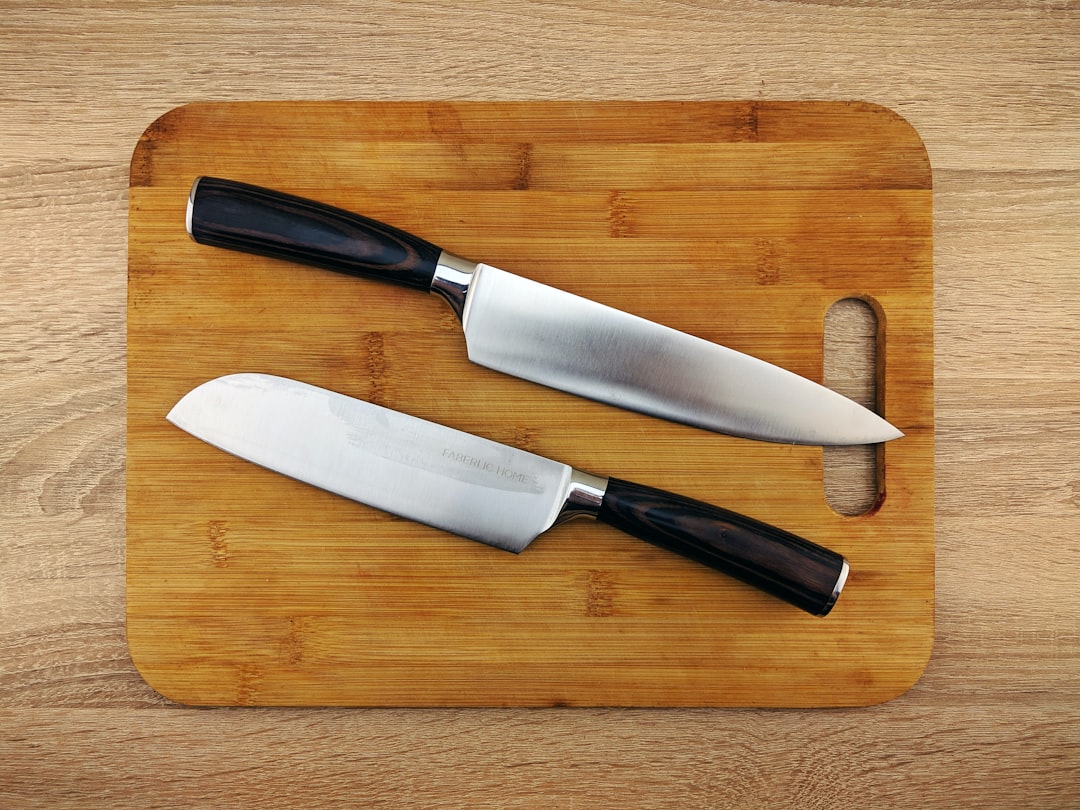
- Chef’s knife: An 8-inch chef’s knife is the workhorse of any kitchen, handling everything from slicing vegetables to cutting meat
- Cutting board: Choose a large, stable board made from wood or plastic that won’t slip during use
- Non-stick skillet: A 10-12 inch pan works for eggs, vegetables, and proteins with minimal oil
- Saucepan with lid: Essential for boiling pasta, making rice, and preparing sauces
- Wooden spoon and spatula: These won’t scratch your cookware and handle high temperatures well
- Measuring cups and spoons: Accuracy matters, especially when you’re learning new recipes
- Mixing bowls: A set of various sizes helps with prep work and combining ingredients
Investing in quality versions of these basics will serve you better than buying many cheap specialty items you’ll rarely use. A good knife, properly maintained, can last decades and makes cooking exponentially easier and safer.
Understanding Heat: The Foundation of Cooking
One of the most critical skills in cooking is heat management. Different cooking methods require different temperature levels, and knowing when to use each dramatically affects your results.
High heat is perfect for searing meat, creating a flavorful crust while keeping the interior juicy. It’s also ideal for stir-frying vegetables quickly while maintaining their crisp texture. However, high heat requires attention—foods can burn in seconds if left unattended.
Medium heat represents the sweet spot for most cooking tasks. It’s suitable for sautéing onions until translucent, cooking chicken breasts through without burning the exterior, and gently frying eggs. This temperature allows food to cook evenly without rushing the process.
Low heat works beautifully for simmering sauces, melting butter without browning it, and keeping dishes warm without continuing to cook them. Patience at low temperatures often separates good cooks from great ones.
Understanding your stove’s heat output takes practice. Gas stoves respond immediately to adjustments, while electric burners take time to heat up and cool down. Learn your equipment’s quirks and adjust timing accordingly.
Mastering Basic Knife Skills Safely
Proper knife technique makes cooking faster, safer, and more enjoyable. Many beginners fear sharp knives, but paradoxically, dull knives cause more accidents because they require excessive force and slip unpredictably.
Hold your chef’s knife with your thumb and index finger gripping the blade just ahead of the handle, with remaining fingers wrapped around the handle. This “pinch grip” provides maximum control and reduces hand fatigue during extended prep work.
When cutting, curl your non-knife hand into a “claw” position, with fingertips tucked back and knuckles facing the blade. The knife’s flat side should rest against your knuckles as you cut, making it physically impossible to accidentally cut your fingertips. 👌
Start with basic cuts like slicing (straight cuts through ingredients), dicing (creating small cubes), and mincing (very fine pieces). Practice on softer vegetables like zucchini before moving to harder items like carrots or potatoes.
Keep your knives sharp by using a honing steel before each use and getting them professionally sharpened once or twice yearly. A sharp knife glides through food with minimal pressure, making cooking safer and more efficient.

The Five Mother Sauces You Should Know
French culinary tradition identifies five “mother sauces” that serve as foundations for countless variations. Understanding these basics unlocks hundreds of recipes and gives you the confidence to improvise.
Béchamel is a white sauce made from butter, flour, and milk. It forms the base for mac and cheese, creamy casseroles, and lasagna. Master this simple combination and you’ll have comfort food at your fingertips.
Velouté uses the same butter-flour base (called a roux) but substitutes light stock for milk, creating a thinner, more delicate sauce perfect for chicken or seafood dishes.
Espagnole is a rich brown sauce built on beef stock and tomato purée, typically used in heartier meat preparations. While more time-intensive, it delivers restaurant-quality depth of flavor.
Hollandaise combines butter and egg yolks into a luxurious emulsion, famous as the crowning touch on eggs Benedict. It requires careful temperature control but impresses every time.
Tomato sauce might seem obvious, but a properly made tomato sauce balances acidity, sweetness, and savory notes. It serves as the foundation for pasta dishes, pizzas, and countless international cuisines.
Simple Recipe Formulas That Always Work 🍽️
Rather than memorizing hundreds of recipes, learn these flexible formulas that adapt to whatever ingredients you have available.
The Perfect Stir-Fry Formula
Stir-fries follow a simple pattern: protein + vegetables + aromatics + sauce. Heat your pan until very hot, add oil with a high smoke point (like avocado or peanut oil), cook your protein until just done, remove it, then quickly cook harder vegetables followed by softer ones. Return the protein, add sauce, toss everything together, and serve over rice or noodles.
This formula works with endless combinations: chicken and broccoli, shrimp and snap peas, tofu and mushrooms. The technique remains constant regardless of specific ingredients.
The Sheet Pan Dinner Template
Choose a protein (chicken thighs, salmon, pork chops), surround it with vegetables that roast well (Brussels sprouts, carrots, bell peppers), drizzle with oil, season generously, and roast at 400°F until everything is cooked through. One pan, minimal cleanup, maximum flavor.
The beauty of sheet pan dinners lies in their flexibility and forgiveness. Vegetables caramelize beautifully in the oven while proteins stay moist, and you’re free to mix seasonings based on your mood—Italian herbs one night, curry powder the next.
The Soup Strategy
Almost any soup follows this sequence: sauté aromatics (onions, garlic, celery), add liquid (stock or water), incorporate main ingredients (vegetables, beans, grains, meat), simmer until tender, season to taste. Whether you’re making minestrone, chicken noodle, or butternut squash soup, this framework applies.
How to Read and Follow Recipes Successfully
Even with solid technique, recipes provide valuable guidance, especially when learning new cuisines or dishes. However, many beginners struggle with recipe execution not because of cooking skills, but because they don’t read them properly.
Always read the entire recipe before starting. This seems obvious, yet countless cooking disasters happen because someone discovers midway through that they need to marinate meat overnight or let dough rise for two hours.
The French culinary concept of “mise en place” (everything in its place) involves preparing and measuring all ingredients before you start cooking. Chop vegetables, measure spices, and arrange everything within easy reach. Professional chefs work this way because it eliminates stress and prevents mistakes.
Pay attention to visual cues rather than relying solely on times. “Sauté onions until translucent, about 5 minutes” gives you both a visual target and a time estimate. Your stove might run hotter or cooler than the recipe writer’s, so the appearance of the food should guide your decisions more than a clock. ⏲️
Common Mistakes Beginners Make (And How to Avoid Them)
Everyone makes mistakes when learning to cook, but recognizing common pitfalls helps you improve faster. Overcrowding the pan tops this list—when too much food sits in one pan, it steams instead of browning, resulting in soggy, pale food instead of caramelized deliciousness. Cook in batches if necessary.
Not seasoning enough ranks as another frequent error. Food needs salt to taste good, and adding it throughout the cooking process (rather than only at the end) builds layers of flavor. Taste as you cook and adjust seasoning incrementally.
Moving food too much prevents proper browning. When you add chicken to a hot pan, resist the urge to constantly flip or stir it. Let it sit undisturbed for several minutes to develop a golden crust, then flip once. This applies to most proteins and vegetables.
Using the wrong oil for high-heat cooking can create unpleasant flavors and smoke. Extra virgin olive oil works beautifully for low-temperature cooking and finishing dishes, but for high-heat applications, choose oils with higher smoke points like avocado, grapeseed, or refined coconut oil.
Building Flavors Like a Professional Chef
Great cooking isn’t about following recipes exactly—it’s about understanding how flavors work together and knowing how to balance them. Professional chefs think in terms of five taste categories: salty, sweet, sour, bitter, and umami.
Salt enhances other flavors rather than making food taste “salty” when used properly. A pinch of salt in chocolate chip cookies makes them taste more chocolatey. A sprinkle on watermelon intensifies its sweetness. Learn to salt thoughtfully throughout cooking.
Acid brightens dishes and cuts through richness. A squeeze of lemon juice, splash of vinegar, or spoonful of yogurt can transform a flat-tasting dish into something vibrant. When food tastes “boring” or “heavy,” acid often provides the missing element.
Umami delivers savory depth found in ingredients like Parmesan cheese, mushrooms, tomatoes, soy sauce, and fish sauce. Adding umami-rich ingredients creates satisfying, complex flavors that make people ask, “What’s your secret ingredient?” 🤫
Fat carries flavor and creates satisfying mouthfeel. Whether it’s butter, cream, olive oil, or avocado, fat makes food taste richer and helps your body absorb fat-soluble vitamins. Don’t fear fat—embrace it in appropriate amounts.
Planning Meals That Save Time and Reduce Waste
Efficient home cooking involves more than individual recipe execution. Strategic meal planning transforms cooking from a daily scramble into a manageable, even enjoyable routine.
Start by planning 3-4 dinners per week rather than attempting to organize every single meal. This provides structure while leaving flexibility for leftovers, takeout, or spontaneous plans. Choose recipes with overlapping ingredients to minimize waste and shopping complexity.
Batch cooking certain components saves tremendous time. Cook a large pot of rice, quinoa, or beans at the beginning of the week and use it across multiple meals. Roast a whole chicken on Sunday and use the meat for salads, tacos, and sandwiches throughout the week.
Properly storing ingredients extends their life and maintains quality. Learn which produce belongs in the refrigerator versus on the counter. Store herbs standing upright in water like flowers. Keep ginger and garlic in dry, dark places. These small practices prevent waste and save money.
Developing Your Palate and Cooking Intuition
As you gain experience, you’ll develop cooking intuition—the ability to assess situations, adjust on the fly, and create delicious food without constantly consulting recipes. This comes from mindful practice and paying attention to cause and effect.
Taste your food frequently during cooking. Notice how flavors develop and change as ingredients cook together. Understand that raw tomatoes taste different from simmered tomatoes, and that onions transform from sharp to sweet as they caramelize.
Experiment with small variations. If a recipe calls for basil, try cilantro instead next time. Swap chicken for shrimp. Use butternut squash where the recipe suggests sweet potato. These experiments teach you about ingredient interchangeability and flavor profiles.
Keep a cooking journal noting what worked and what didn’t. When you create something delicious, write down what you did so you can replicate it. When something fails, note what went wrong so you avoid repeating the mistake. This reflection accelerates learning dramatically. 📝
Expanding Your Repertoire with International Flavors
Once you’re comfortable with basic techniques, exploring international cuisines adds excitement and variety to your cooking. Each culinary tradition offers unique flavor combinations and techniques that broaden your skills.
Italian cuisine teaches the beauty of simplicity—how a few quality ingredients prepared properly can create extraordinary dishes. Mexican cooking introduces you to complex spice blends and the importance of fresh herbs like cilantro. Thai food demonstrates balancing sweet, sour, salty, and spicy in a single dish.
You don’t need specialty equipment or rare ingredients to start exploring. Many international dishes adapt beautifully to standard Western kitchens with readily available ingredients. A simple Thai curry requires only coconut milk, curry paste, vegetables, and protein—all found in most supermarkets.
Start by mastering one signature dish from cuisines that interest you. Perfect your homemade tacos, then move to enchiladas. Make a basic Thai stir-fry, then progress to pad Thai. This progressive approach builds confidence while expanding your cooking vocabulary.
The Joy of Cooking for Others
While cooking for yourself provides satisfaction, sharing meals with others multiplies the joy exponentially. There’s something deeply human about preparing food and gathering around a table together—it’s been central to human connection since ancient times.
Start small when cooking for guests. Don’t attempt an elaborate seven-course meal for your first dinner party. Instead, choose a dish you’ve made successfully before and feel confident preparing. Your comfort level translates to a more relaxed, enjoyable atmosphere for everyone.
Remember that hospitality matters more than perfection. Guests remember the warmth and conversation more than whether your sauce was slightly too thin or your chicken cooked a few minutes too long. Focus on creating a welcoming environment, and don’t stress about minor imperfections.
As you become more skilled, cooking for others becomes an expression of care and creativity. Each meal tells a story and creates memories. The lasagna you serve at a birthday celebration, the soup you bring to a sick friend, the holiday cookies you bake with children—these moments define what cooking truly means. ❤️

Your Cooking Journey Starts Now
Learning to cook is a lifelong journey rather than a destination. Even professional chefs continually refine their skills, experiment with new techniques, and occasionally burn something. The difference between someone who can’t cook and someone who can isn’t talent—it’s simply practice and willingness to learn from mistakes.
Begin with one simple recipe that excites you. Maybe it’s fluffy scrambled eggs, a basic tomato sauce, or perfectly roasted vegetables. Master that one dish, then build from there. Each success creates momentum and confidence that carries you forward to the next challenge.
The kitchen is a place of endless creativity, learning, and satisfaction. Every meal you prepare strengthens your skills and deepens your understanding. Some attempts will exceed your expectations, while others will teach valuable lessons. Both outcomes contribute equally to your growth as a cook.
So grab your knife, heat up that pan, and start cooking. The delicious meals, money saved, healthier eating, and joy of feeding yourself and others await. Your cooking transformation doesn’t require years—it starts with a single step taken today. Happy cooking! 🎉
