
Anúncios
Learning to drive is one of the most liberating experiences you’ll ever have. The freedom to go anywhere, anytime, without relying on anyone else is truly priceless.
But let’s be real – for many people, getting behind the wheel for the first time can feel overwhelming. The good news? With the right approach and modern tools, you can learn to drive easier and faster than you might think. Technology has completely transformed how we learn this essential skill, making it more accessible than ever before.
Whether you’re a complete beginner or someone who’s been putting off getting their license for years, this guide will walk you through everything you need to know to build your driving confidence from the ground up. We’ll explore proven techniques, helpful apps, and practical strategies that actually work in real-world driving situations.
🚗 Why Modern Driving Education Is Faster Than Ever
Gone are the days when learning to drive meant solely relying on your parents’ patience or expensive driving school packages. Today’s learner drivers have access to an incredible array of resources that previous generations could only dream about.
The traditional driving school model still has its place, but it’s now complemented by interactive apps, simulation software, and online communities where new drivers share tips and experiences. This hybrid approach means you can study traffic rules during your lunch break, practice hazard perception on your phone, and then apply what you’ve learned during actual driving lessons.
Research shows that students who supplement traditional lessons with digital learning tools typically require 15-20% fewer in-car hours to reach test-ready standards. That’s not just faster – it’s also significantly cheaper.
The Psychology Behind Confident Driving
Confidence behind the wheel doesn’t come from recklessness – it comes from competence. When you truly understand how your vehicle responds, what other drivers are likely to do, and how to handle unexpected situations, anxiety naturally decreases.
Many new drivers make the mistake of trying to rush through the learning process. They want to “just get it over with.” But driving is a skill that requires both muscle memory and decision-making abilities to develop properly.
Think of it like learning a musical instrument. You wouldn’t expect to play a complex song after two lessons, right? Driving requires the same patient, consistent practice.
📱 Essential Apps That Accelerate Your Learning Journey
Technology has created some genuinely useful tools for aspiring drivers. These apps complement traditional instruction by letting you study anytime, anywhere.
Driving Theory Test Apps
Before you can drive legally in most places, you need to pass a written theory test. Apps like Driving Theory Test 4 in 1 Kit have revolutionized how people prepare for this crucial exam.
These platforms offer thousands of practice questions, hazard perception videos, and mock tests that mirror the real exam format. The adaptive learning algorithms track your weak areas and focus your study time where it matters most.
What makes these apps particularly effective is the spaced repetition technique they employ. Instead of cramming everything at once, you review material at scientifically optimized intervals, which dramatically improves long-term retention.
Practical Driving Skill Apps
Another category of apps focuses on practical driving skills. Driving School Sim offers realistic 3D environments where you can practice parking, lane changes, and navigating intersections without the stress of real traffic.
While nothing replaces actual behind-the-wheel experience, these simulators help build the mental framework you need. They’re especially useful for understanding spatial relationships – like how much room you actually need for a parallel park or three-point turn.
🎯 Master These Five Core Skills First
Rather than trying to learn everything at once, focus your initial efforts on these fundamental competencies. Once you nail these, everything else becomes significantly easier.
1. Smooth Vehicle Control
Jerky acceleration, harsh braking, and abrupt steering aren’t just uncomfortable – they’re signs of poor vehicle control that can lead to dangerous situations.
Practice these specific techniques:
- Progressive acceleration: Apply pressure to the gas pedal gradually, imagining there’s an egg under your foot you don’t want to crack
- Anticipatory braking: Start slowing down early when you see a stop ahead, rather than waiting until the last moment
- Hand-over-hand steering: For turns sharper than 90 degrees, use the hand-over-hand technique for better control
- Reference points: Learn where the corners of your car are by using fixed reference points on your dashboard and hood
2. Situational Awareness
Great drivers don’t just focus on the car directly in front of them – they’re constantly scanning the entire driving environment. This means checking mirrors every 5-8 seconds, looking far ahead to spot potential hazards early, and maintaining awareness of blind spots.
A practical exercise: As a passenger (not while you’re driving!), try to predict what will happen next in traffic. Will that pedestrian step out? Is that car about to change lanes? This mental practice builds the predictive skills you need.
3. Proper Mirror and Blind Spot Checks
Your mirrors are your best friends, but they don’t show everything. Every car has blind spots – areas that aren’t visible in any mirror.
Develop this habit pattern for lane changes: Mirror, signal, mirror, blind spot check, move. That physical shoulder check to cover your blind spot is non-negotiable, even though it feels awkward at first.
4. Parking Maneuvers
Parking anxiety is real, and it keeps many new drivers from venturing to certain places. The secret? Break down each parking type into a series of specific, repeatable steps.
For parallel parking, for example:
- Pull up alongside the front car, about 2 feet away
- When your mirror aligns with their rear bumper, stop
- Turn your wheel fully to the right and reverse slowly
- When you reach a 45-degree angle, straighten your wheel
- Continue reversing until your front bumper clears their rear
- Turn the wheel fully left and straighten out
Having these mechanical steps removes the guesswork and builds confidence.
5. Defensive Driving Mindset
Defensive driving isn’t about being timid – it’s about being proactive and prepared. Always assume other drivers might do something unexpected, and position yourself accordingly.
This means maintaining proper following distances (at least 3 seconds in good conditions), having an escape route planned, and never putting yourself in a position where someone else’s mistake will automatically cause a crash.
⏱️ The Realistic Timeline for Learning to Drive
One of the most common questions new drivers ask is: “How long will this take?” The honest answer is that it varies based on several factors, but there are some general benchmarks.
| Skill Level | Hours of Practice | What You Can Do |
|---|---|---|
| Basic Control | 5-10 hours | Start, stop, turn, park in empty lot |
| Neighborhood Driving | 15-20 hours | Low-traffic streets, basic navigation |
| City Driving | 30-40 hours | Traffic, complex intersections, parking |
| Highway Confidence | 45-60 hours | Merging, high-speed driving, all conditions |
| Test-Ready | 50-70 hours | Consistent, safe driving in all scenarios |
These numbers assume consistent practice – ideally 2-3 sessions per week. Weekend warriors who only drive once a week will take longer because they spend the first portion of each session just remembering what they learned previously.
The Power of Structured Practice
Random driving around your neighborhood won’t prepare you as effectively as targeted practice sessions. Each time you get behind the wheel, have a specific goal.
Monday might be parking practice. Wednesday could focus on highway merging. Friday might be navigating complex intersections. This focused approach accelerates skill development because you’re deliberately working on weaknesses rather than just repeating what you’re already comfortable with.
🛣️ Conquering Common Fear Points
Every new driver has specific scenarios that make their palms sweat. Let’s address the big ones head-on with practical strategies.
Highway Driving
Merging onto a highway feels terrifying the first few times. The key is understanding that you need to match the speed of traffic before merging, not merge and then speed up.
Use the entire acceleration lane. That’s what it’s there for. Look for a gap in traffic, signal early, accelerate firmly (not timidly), and merge decisively when you have space. Hesitation is actually more dangerous than confidence here.
Roundabouts and Rotaries
These circular intersections confuse Americans especially, since we don’t have as many as Europe or Australia. The fundamental rule: traffic already in the roundabout has right-of-way. You yield when entering, then navigate to your exit.
Stay in your lane throughout – don’t drift between lanes in multi-lane roundabouts. Signal your exit as you pass the exit before yours.
Nighttime Driving
Reduced visibility makes everything harder. The best strategy is to slow down slightly and increase following distance – your reaction time effectively decreases when you can’t see as far ahead.
Make sure your headlights are properly aimed. Misaligned headlights that point too high blind oncoming traffic, while ones aimed too low don’t illuminate the road properly.
Driving in Rain or Snow
Weather conditions require adjustments to your driving inputs. In rain, reduce speed by about 10 mph and double your following distance. Avoid sudden steering or braking movements – smooth is everything.
In snow or ice, gentle inputs become even more critical. Think of controlling the car like you’re making tiny suggestions rather than commands. If you start to slide, the natural instinct is to brake hard – resist this. Instead, ease off the gas and steer where you want to go.
💡 The Instructor Selection Secret
Not all driving instructors are created equal. A great instructor can cut your learning time in half, while a mediocre one might actually slow your progress.
Look for these qualities:
- Patience without babying: They should challenge you appropriately while staying calm
- Clear explanations: They can break down complex maneuvers into understandable steps
- Structured curriculum: They have a plan rather than just driving around randomly
- Positive reinforcement: They acknowledge improvements, not just mistakes
- Modern teaching methods: They understand that today’s students learn differently
Don’t be afraid to switch instructors if the fit isn’t right. Your learning speed depends heavily on this relationship.
🏆 Test Day Strategy: Pass on Your First Attempt
The driving test itself is the culmination of all your practice. With proper preparation, there’s no reason you shouldn’t pass the first time.
Week Before the Test
Do at least three complete practice runs of the exact test route, if possible. Focus on the specific maneuvers your testing location emphasizes – some focus heavily on parallel parking, others on three-point turns or hill starts.
Get plenty of sleep. Seriously. A well-rested brain processes information 30-40% faster than a tired one. You need those quick decision-making capabilities during your test.
Day of the Test
Arrive 15 minutes early. Arriving stressed and rushed immediately puts you at a disadvantage. Before the examiner gets in the car, spend two minutes doing deep breathing exercises to calm your nervous system.
During the test itself, narrate what you’re doing in your head. “Checking mirrors, signaling left, checking blind spot, turning.” This internal dialogue keeps you focused on proper procedure rather than on anxiety.
Remember: examiners want you to pass. They’re not trying to trick you. They’re simply verifying you can operate a vehicle safely. Drive exactly like you practiced, follow all traffic laws, and you’ll be fine.
What If You Don’t Pass?
If you don’t pass on the first attempt, don’t catastrophize. About 40% of people don’t pass the first time. The examiner will tell you exactly what you need to work on. Take that feedback seriously, practice those specific areas, and schedule a retest.
Many people actually become better drivers after failing once because they address specific weaknesses they didn’t even know they had.
🔑 Building Long-Term Driving Confidence
Passing your test is just the beginning. True confidence comes from continued experience and deliberate skill development.
The First Year Strategy
Your first year of driving is when you’ll grow the most. Make a point to regularly expose yourself to scenarios that challenge you slightly. If highway driving makes you nervous, do short highway trips weekly until it becomes routine.
Consider taking an advanced driving course. These aren’t just for speed enthusiasts – defensive driving courses and car control workshops teach you how to handle emergencies and extreme situations safely.
Never Stop Learning
Even experienced drivers can benefit from refresher training. Traffic laws change, car technology evolves, and bad habits creep in over time.
Every few years, consider taking a professional lesson just to get feedback on your driving. You might discover you’ve developed a blind spot issue or following distance problem you weren’t aware of.
The drivers who maintain confidence over decades are the ones who stay humble and keep learning. The moment you think you know everything about driving is the moment you become dangerous.
🚀 Your Journey Starts Now
Learning to drive doesn’t have to be a stressful, drawn-out ordeal. With modern learning tools, structured practice, and the right mindset, you can develop solid driving skills faster than you might think.
The key is consistency and deliberate practice. Set aside regular time for lessons, use apps and simulators to supplement your learning, and focus on building fundamental skills before moving to advanced scenarios.
Remember that every confident driver you see on the road was once exactly where you are now – nervous, uncertain, and wondering if they’d ever feel comfortable behind the wheel. They got there through practice, and so will you.
Start with that first lesson. Download a theory test app today. Find a patient instructor. Take it one step at a time, and before you know it, you’ll be cruising down the highway with the windows down, music playing, experiencing that incredible freedom that only driving can provide.
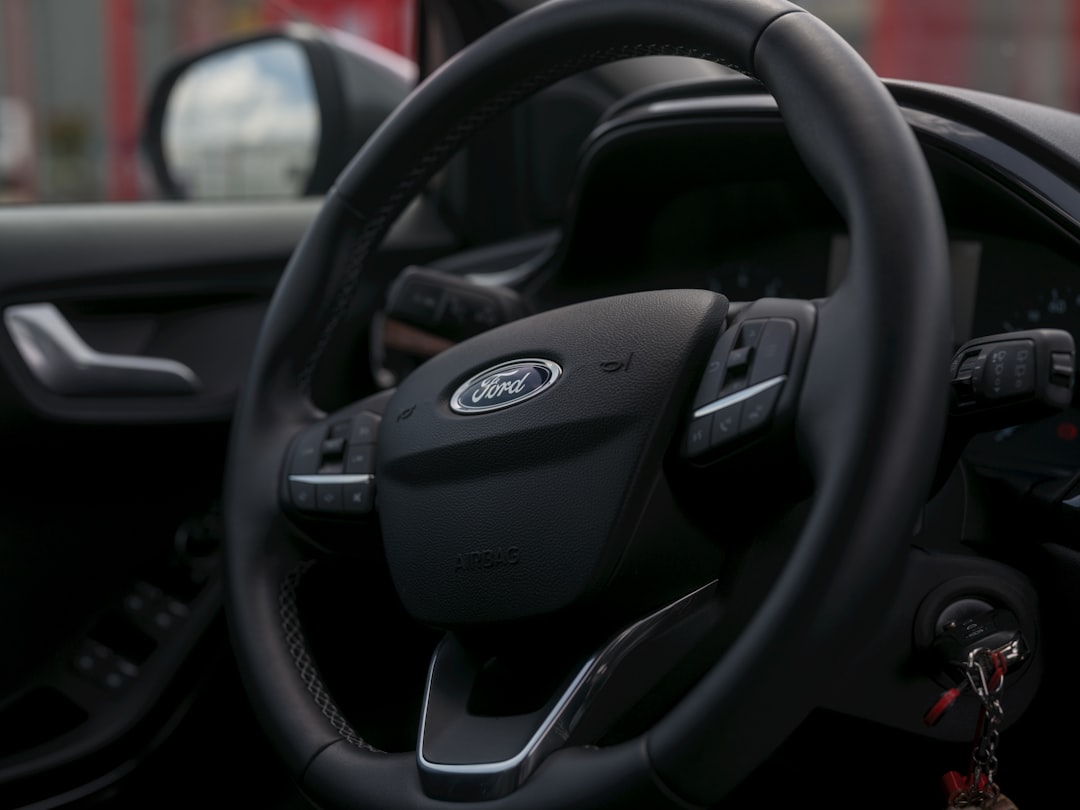
The road is waiting. Your confident driving future starts with a single turn of the key – or push of a button if you’re driving something modern. Either way, you’ve got this.
