
Anúncios
Dinosaurs have captivated human imagination for generations, and today’s technology makes learning about these magnificent creatures easier than ever before through engaging online platforms and interactive experiences.


The digital age has transformed how we discover and understand prehistoric life. Whether you’re a young enthusiast just starting your journey or an adult fascinated by paleontology, online resources offer unprecedented access to dinosaur knowledge. From virtual museum tours to interactive mobile applications, the possibilities for learning are virtually limitless.
Modern technology bridges the gap between ancient history and contemporary education. Digital platforms combine scientific accuracy with entertainment value, making complex paleontological concepts accessible to learners of all ages. This comprehensive guide will explore the best ways to expand your dinosaur knowledge using online tools and resources available right at your fingertips.
🦕 Understanding Different Dinosaur Periods and Species
The Mesozoic Era, spanning roughly 180 million years, divides into three distinct periods: the **Triassic** (252-201 million years ago), **Jurassic** (201-145 million years ago), and **Cretaceous** (145-66 million years ago). Each period hosted unique species adapted to different environmental conditions.
During the Triassic period, dinosaurs emerged as relatively small creatures. Early species like Eoraptor measured only about 1 meter in length. The Jurassic period witnessed the rise of giants such as Brachiosaurus and Diplodocus, alongside fearsome predators like Allosaurus. The Cretaceous period brought the iconic Tyrannosaurus rex and Triceratops, representing the peak of dinosaur diversity before the mass extinction event.
Online databases now catalog over 1,000 identified dinosaur species, with new discoveries announced regularly. Digital platforms allow you to explore detailed 3D models, compare size scales, and understand evolutionary relationships between different species through interactive phylogenetic trees.
Major Dinosaur Groups Worth Studying
Paleontologists classify dinosaurs into two primary orders based on hip structure: **Saurischia** (lizard-hipped) and **Ornithischia** (bird-hipped). This fundamental distinction helps organize the incredible diversity of dinosaur species.
- Theropods: Bipedal carnivores including T. rex, Velociraptor, and Spinosaurus
- Sauropods: Long-necked herbivores like Brachiosaurus and Argentinosaurus
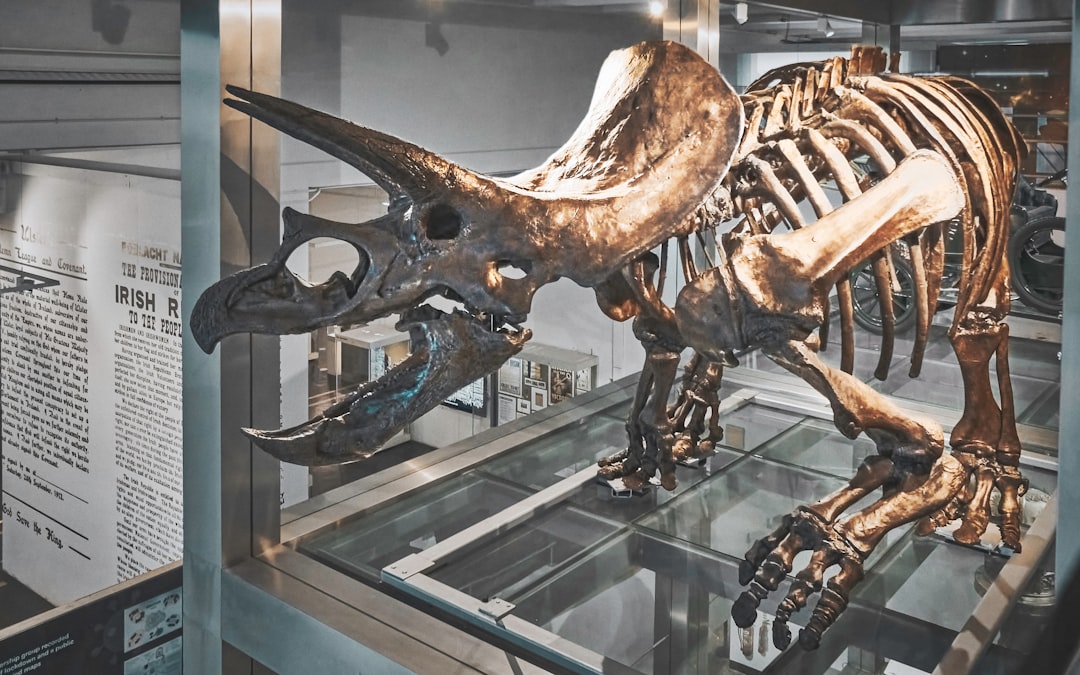
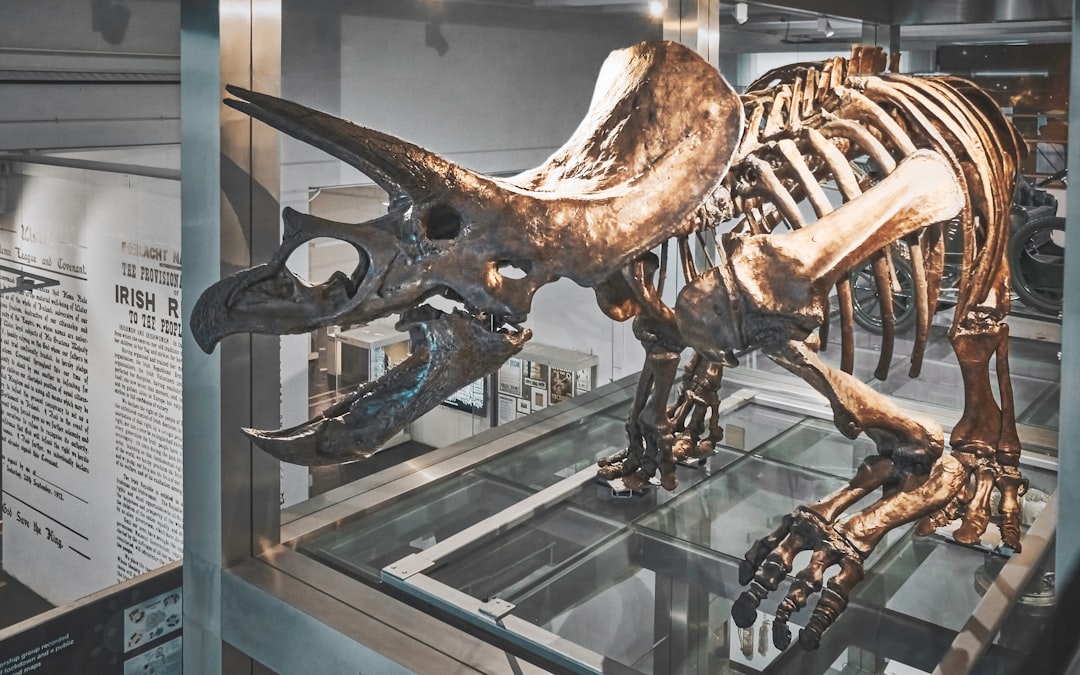
- Ceratopsians: Horned dinosaurs including Triceratops and Styracosaurus
- Hadrosaurs: Duck-billed dinosaurs known for complex social behaviors
- Ankylosaurs: Armored dinosaurs with club-like tails for defense
- Stegosaurs: Plated dinosaurs with distinctive back spines
📱 Interactive Mobile Applications for Dinosaur Education
Mobile applications have revolutionized dinosaur education by combining gaming elements with scientific content. These platforms offer immersive experiences that traditional textbooks cannot match, allowing users to interact with prehistoric creatures in augmented reality environments.
Applications like Jurassic World Alive use **location-based technology** similar to popular AR games, encouraging users to explore their real-world surroundings while collecting virtual dinosaurs. Players learn species names, characteristics, and habitats while engaging in collection and strategy gameplay. The app features over 200 different creatures, each with accurate scientific details about their real-world counterparts.
Educational apps provide detailed dinosaur databases with high-quality illustrations, fossil records, and paleontological facts. Many incorporate quiz features, allowing learners to test their knowledge progressively. The gamification approach maintains engagement while delivering substantive educational content.

Features That Make Learning Apps Effective
Quality educational dinosaur apps share several characteristics that enhance the learning experience. Look for applications that prioritize scientific accuracy alongside entertainment value.
The best platforms include regular content updates reflecting new paleontological discoveries. They feature detailed creature profiles with information about diet, habitat, size comparisons, and behavioral theories. Interactive elements such as AR visualization allow users to place life-sized dinosaurs in their environment, creating memorable learning moments.
Community features enable learners to connect with other enthusiasts worldwide, sharing discoveries and competing in challenges. This social dimension adds motivation while building a supportive learning environment.
🌐 Virtual Museum Tours and Online Collections
Major natural history museums now offer comprehensive virtual tours, granting access to world-class dinosaur collections from anywhere with internet connectivity. The **Smithsonian National Museum of Natural History**, **American Museum of Natural History**, and **Natural History Museum London** provide detailed online exhibits with 360-degree views and expert commentary.
These virtual experiences include high-resolution fossil imagery, allowing close examination of details impossible to see during physical visits. Interactive timelines place dinosaurs in geological context, showing continental drift, climate changes, and ecosystem evolution throughout the Mesozoic Era.
Many museums offer specialized virtual programs for different age groups. Children can access animated guides and simplified explanations, while advanced learners find research papers, dig site documentation, and interviews with paleontologists actively working in the field.
Notable Online Fossil Collections
| Institution | Specialty | Notable Specimens |
|---|---|---|
| Smithsonian NMNH | North American dinosaurs | T. rex nation’s T. rex, Diplodocus |
| Royal Tyrrell Museum | Canadian discoveries | Albertosaurus, Black Beauty T. rex |
| Beijing Museum | Feathered dinosaurs | Sinosauropteryx, Microraptor |
| Field Museum Chicago | Complete skeletons | Sue the T. rex, Máximo the Titanosaur |
📚 Educational Websites and Online Courses
Dedicated educational platforms offer structured learning paths for dinosaur enthusiasts. Websites like **Dino Directory** from the Natural History Museum provide searchable databases with scientifically vetted information about hundreds of species.
Online course platforms including Coursera and edX host paleontology courses from renowned universities. These programs cover topics from basic dinosaur anatomy to advanced evolutionary biology, often taught by leading researchers. Many courses are available free of charge, with optional certificates for completed work.
YouTube channels operated by paleontologists and science communicators deliver regular content about new discoveries, fossil preparation techniques, and dinosaur behavior theories. Channels like **PBS Eons** and **Trey the Explainer** combine entertainment with rigorous scientific standards, making complex topics accessible.
Key Topics Covered in Online Dinosaur Courses
- Fossil formation and preservation: Understanding taphonomy and fossilization processes
- Comparative anatomy: Analyzing skeletal structures to determine locomotion and behavior
- Phylogenetics: Tracing evolutionary relationships through cladistic analysis
- Paleoecology: Reconstructing ancient environments and ecosystems
- Modern bird connections: Exploring the dinosaur-bird evolutionary link
- Extinction theories: Examining evidence for various mass extinction hypotheses
🎮 Gaming Platforms That Teach Dinosaur Science
Video games offer unique opportunities for experiential learning about prehistoric life. Simulation games like **Jurassic World Evolution** and **Prehistoric Kingdom** require players to understand dinosaur ecology, social needs, and habitat requirements to succeed.
These games incorporate realistic behavioral models based on current paleontological research. Players learn that carnivores need appropriate territory sizes, herbivores form social groups with specific population dynamics, and environmental factors affect dinosaur health and comfort.
Survival games set in dinosaur-populated worlds teach players to recognize species by silhouette, understand predator-prey relationships, and appreciate the size and power of different creatures. While taking creative liberties, quality games maintain scientific foundations that reinforce accurate learning.
🔬 Following Current Paleontological Research Online
The pace of dinosaur discoveries accelerates annually, with major findings announced regularly. Following paleontological research online keeps your knowledge current and reveals how scientific understanding evolves with new evidence.
Academic journals like the **Journal of Vertebrate Paleontology** and **Cretaceous Research** publish peer-reviewed studies. While technical, many include accessible abstracts summarizing key findings. Science news websites such as **ScienceDaily** and **Phys.org** translate research papers into reader-friendly articles.
Social media platforms connect enthusiasts directly with working paleontologists. Researchers frequently share dig site updates, fossil preparation videos, and preliminary findings before formal publication. Twitter and Instagram have vibrant paleontology communities where professionals and amateurs exchange information.
Recent Discoveries That Changed Dinosaur Understanding
The past decade brought revolutionary findings that reshaped dinosaur science. Feathered dinosaurs from China confirmed the evolutionary link between theropods and modern birds. Complete specimens preserved with soft tissue impressions revealed skin textures, colors, and even internal organ placement.
Studies of growth rings in dinosaur bones demonstrated that many species grew rapidly during juvenile stages, reaching adult size within 15-20 years. Analysis of coprolites (fossilized feces) and stomach contents provided direct evidence of diet and feeding behavior.
Advanced scanning technology allowed researchers to examine dinosaur skulls internally, revealing brain structure, inner ear configuration, and sensory capabilities. These studies indicate that some species possessed sophisticated hearing, keen eyesight, and potentially complex vocalization abilities.
🦴 Understanding Dinosaur Anatomy Through Online Resources
Digital anatomy resources provide detailed exploration of dinosaur skeletal structures. Interactive 3D models allow rotation, zooming, and layer-by-layer examination of bones, showing how different elements articulated and functioned.
Comparative anatomy studies available online demonstrate how dinosaur features evolved to serve specific purposes. Long necks in sauropods enabled high browsing, while the distinctive frills of ceratopsians likely served display functions and thermoregulation alongside defense.
Biomechanical analyses use computer modeling to test hypotheses about dinosaur movement and capabilities. These studies calculate bite forces, running speeds, and weight-bearing capacities based on skeletal measurements and muscle attachment points.
Key Anatomical Adaptations to Study
Theropod features: Hollow bones reduced weight for agile movement, while powerful hind legs and counterbalancing tails enabled bipedal locomotion. Forward-facing eyes provided depth perception crucial for hunting.
Sauropod adaptations: Column-like legs supported massive weight, while air sacs throughout the body (similar to modern birds) lightened the skeleton despite enormous size. Long necks contained specialized vertebrae that balanced strength with flexibility.
Armored dinosaur defenses: Ankylosaurs developed bony plates called osteoderms embedded in skin, with some species featuring tail clubs capable of delivering bone-breaking impacts. Stegosaurs possessed distinctive plates possibly used for thermoregulation or display.
🌍 Exploring Dinosaur Habitats and Ancient Environments
Understanding where and how dinosaurs lived requires studying paleoenvironments. Online resources provide reconstructions of Mesozoic landscapes based on geological and fossil evidence.
The supercontinent Pangaea began fragmenting during the Triassic period, creating new coastlines and climate zones. By the Cretaceous, continents approached their modern positions, though significantly warmer global temperatures meant tropical conditions extended much farther from the equator than today.
Fossil plant assemblages reveal the vegetation dinosaurs encountered. Early periods featured cycads, conifers, and ferns, while flowering plants (angiosperms) appeared during the Cretaceous, diversifying rapidly and transforming ecosystems. This floral revolution affected herbivorous dinosaurs and the carnivores that hunted them.
Climate Conditions Throughout the Mesozoic Era
The Mesozoic Era experienced greenhouse conditions with atmospheric CO₂ levels significantly higher than today. No polar ice caps existed, and sea levels stood substantially higher, flooding continental interiors and creating shallow seas.
Temperature gradients were less extreme than modern conditions, allowing dinosaurs to inhabit regions extending into polar circles. Fossil discoveries in Alaska and Antarctica confirm dinosaur presence at high latitudes, though whether they migrated seasonally or endured winter darkness remains debated.
Periodic climate fluctuations occurred throughout the era, with some periods experiencing relative cooling or increased aridity. These environmental changes drove evolutionary adaptations and influenced which species thrived in different regions.
🥚 Learning About Dinosaur Reproduction and Growth
Fossil nests, eggs, and embryos provide insights into dinosaur reproduction. Online databases catalog discoveries from around the world, showing diverse nesting strategies across different species.
Some dinosaurs built elaborate nests and provided parental care, similar to modern birds. Maiasaura (meaning “good mother lizard”) earned its name from evidence of adults tending nests and feeding hatchlings. Other species apparently deposited eggs and departed, leaving young to fend for themselves immediately upon hatching.
Egg size and structure varied significantly. Sauropod eggs rarely exceeded soccer ball size despite adult animals weighing 50+ tons, while some species laid elongated eggs unlike the spherical forms more common today. Shell thickness and pore structure indicate incubation requirements and development rates.
Dinosaur Growth Rates and Life Stages
Bone histology studies reveal that many dinosaurs grew exceptionally rapidly during juvenile stages. T. rex gained approximately 600 kg per year during peak growth, reaching adult size around age 20. Sauropods grew even faster, with some species adding several tons annually.
Growth patterns changed throughout life. Juveniles of many species possessed different body proportions than adults, with relatively larger heads and eyes. These ontogenetic changes sometimes confused early paleontologists, who classified juvenile and adult forms as separate species.
Maximum lifespans remain uncertain, but evidence suggests many large species lived 60-80 years or more. Smaller dinosaurs likely had shorter lifespans, potentially 20-30 years, though direct evidence remains limited.
🎨 Digital Reconstruction and Paleoart Resources
Paleoart combines scientific knowledge with artistic skill to visualize dinosaurs as living animals. Online galleries showcase works by leading paleoartists, demonstrating how reconstructions evolve as new evidence emerges.
Modern paleoart emphasizes scientific accuracy, incorporating details about posture, muscle placement, skin texture, and potential coloration. Many artists collaborate directly with paleontologists, ensuring their work reflects current research.
Digital tools enable increasingly sophisticated reconstructions. 3D modeling software allows artists to build anatomically correct skeletons, add musculature based on muscle attachment sites, and apply skin with appropriate features. Some artists even animate their reconstructions, showing hypothetical movement patterns.
Building Your Dinosaur Knowledge Journey
Developing comprehensive dinosaur knowledge requires consistent engagement with diverse resources. Start with broad overviews from educational websites and museum collections, then progressively explore specific topics that capture your interest.
Join online communities where enthusiasts share discoveries, discuss theories, and ask questions. Forums and social media groups provide opportunities to learn from others and contribute your own insights as knowledge grows.
Consider maintaining a digital notebook tracking interesting facts, species you’ve learned about, and questions for further research. This practice reinforces learning while creating a personalized reference resource.
The abundance of online dinosaur resources means anyone with curiosity and internet access can develop genuine expertise. Whether your interest focuses on specific species, paleontological methods, or evolutionary relationships, digital platforms provide the tools needed for comprehensive exploration of these magnificent creatures that dominated Earth for over 160 million years.
