
Anúncios
Castles have captivated human imagination for centuries, and now you can explore these magnificent fortresses from anywhere in the world through digital platforms and virtual experiences. 🏰


The digital age has transformed how we learn about historical architecture and medieval heritage. Gone are the days when you needed expensive travel budgets or history degrees to study these architectural marvels. Today, interactive websites, virtual reality tours, and educational apps bring castle exploration directly to your screen.
Whether you’re a history enthusiast, architecture student, or simply curious about medieval life, online resources offer unprecedented access to castle knowledge. From detailed 3D models of European fortresses to interactive timelines explaining siege warfare, the digital world has made castle education accessible to everyone with an internet connection.
🌍 Digital Platforms That Bring Castles to Your Screen
Multiple online platforms specialize in castle education, each offering unique perspectives on these historic structures. Google Arts & Culture leads the pack with high-resolution imagery and virtual tours of hundreds of castles worldwide. Their Street View technology lets you walk through castle courtyards and climb virtual tower stairs.
UNESCO World Heritage maintains detailed documentation of protected castle sites, including architectural plans, restoration histories, and cultural significance reports. Their database contains over 200 castle entries with scholarly articles and photographic archives.
Educational institutions like the University of Oxford and Cambridge offer free online courses through platforms like FutureLearn and Coursera. These courses cover castle architecture, medieval warfare, and social history, often featuring video lectures filmed inside actual castles.
Interactive Museum Collections
Major museums have digitized their castle-related collections, creating searchable databases of artifacts, weapons, and architectural elements:
- The Metropolitan Museum of Art – Medieval armor and weaponry with 360-degree viewing
- British Museum – Siege equipment models and historical manuscripts
- Louvre Museum – Medieval tapestries depicting castle life
- Tower of London – Digital archives of Crown Jewels and fortress history
📱 Mobile Apps for Castle Learning On-the-Go
Smartphone applications have revolutionized castle education by making it portable and interactive. The Google Arts & Culture app allows you to save favorite castles, create custom collections, and receive notifications about new virtual tours. Its augmented reality features let you place 3D castle models in your living room.
Castle Explorer (available on iOS and Android) provides detailed information about over 3,000 European castles, including visiting hours, ticket prices, and historical backgrounds. The app works offline, making it perfect for travel preparation.
Medieval Castle VR offers immersive virtual reality experiences if you own a VR headset. Walk through reconstructed medieval halls, watch historical reenactments, and explore areas of castles that no longer exist or are closed to public access.

🏛️ Understanding Castle Architecture Through Online Resources
Learning castle architecture online requires understanding specific terminology and structural elements. Defensive architecture forms the foundation of castle design, with features like curtain walls, barbicans, and murder holes serving distinct protective purposes.
Online architectural databases break down these elements with labeled diagrams and cross-sections. Websites like Castles.org and Medieval-Castle.com offer illustrated glossaries explaining every component from battlements to postern gates.
Key Architectural Features Explained
| Feature | Purpose | Era |
|---|---|---|
| Keep/Donjon | Central stronghold and last line of defense | 11th-13th century |
| Curtain Wall | Outer defensive perimeter | 12th century onward |
| Machicolations | Openings for dropping projectiles on attackers | 14th century |
| Barbican | Fortified gatehouse | 13th-15th century |
| Arrow Loops | Narrow windows for defensive archery | 12th century onward |
Digital 3D modeling tools like SketchUp and Blender have free castle models you can download and examine from every angle. Architecture students and hobbyists share detailed reconstructions on platforms like Sketchfab, often including historical notes and construction techniques.
🎓 Online Courses and Educational Programs
Coursera offers “Medieval Fortress Architecture” from the University of Edinburgh, a six-week program covering castle evolution from motte-and-bailey structures to Renaissance fortifications. The course includes quizzes, peer-reviewed assignments, and a certificate upon completion.
The Great Courses Plus (now Wondrium) features “The Medieval World” lecture series with extensive castle coverage. Professor Philip Daileader explains how castle design reflected social hierarchies and military technology changes across 500 years.
Free alternatives include Khan Academy’s medieval art and architecture section, which places castles within broader cultural contexts. YouTube channels like “Shadiversity” and “History Buffs” produce detailed video essays analyzing castle defenses, siege tactics, and historical accuracy in popular media.
Specialized Learning Paths
Different online resources cater to specific interests within castle studies:
- Military history focus – Websites documenting siege warfare, defensive innovations, and battle histories
- Architectural emphasis – CAD drawings, structural engineering analyses, and building material studies
- Social history angle – Daily life in castles, servant hierarchies, and domestic arrangements
- Conservation perspective – Restoration techniques, preservation challenges, and modern adaptive reuse
🗺️ Virtual Tours of Famous Castles Worldwide
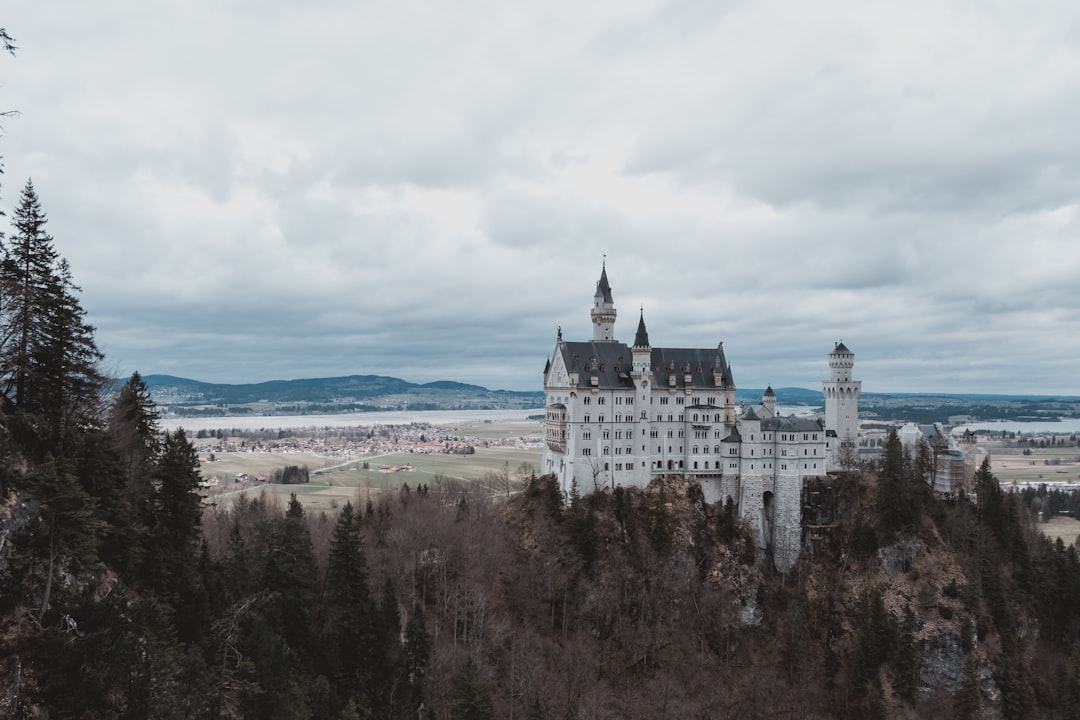
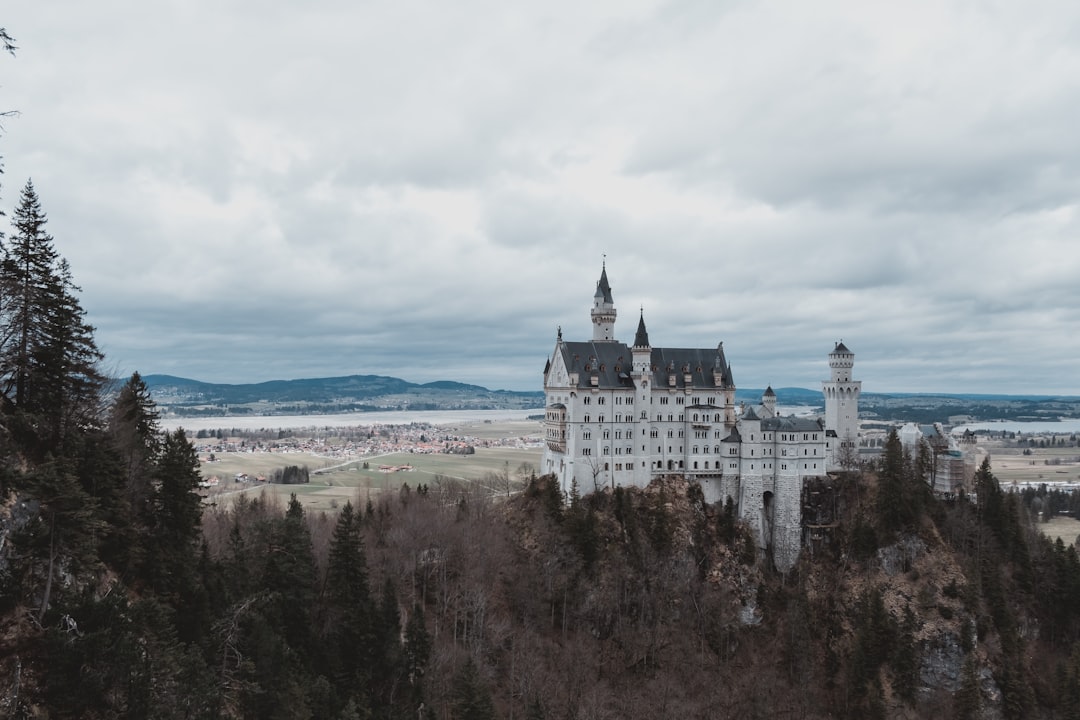
The Neuschwanstein Castle in Germany offers one of the most comprehensive virtual experiences, with 360-degree photography of every room, including King Ludwig II’s opulent bedroom and the throne room. Audio guides in 15 languages provide historical context as you navigate through chambers.
Edinburgh Castle in Scotland provides an interactive timeline feature, allowing you to see how the fortress appeared in different centuries. Toggle between medieval, Renaissance, and modern views while learning about historical events that shaped each transformation.
Japan’s Himeji Castle virtual tour includes drone footage showcasing the complex’s defensive layout from aerial perspectives impossible to achieve during physical visits. The tour highlights the castle’s unique white plaster walls and sophisticated defensive systems.
European Castle Collections
Loire Valley Castles in France have partnered with tourism boards to create unified virtual experiences across multiple châteaux. Explore Chambord’s double-helix staircase, Chenonceau’s gallery spanning the Cher River, and Amboise’s royal apartments through one integrated platform.
The Castles of Wales project documents over 600 fortifications using photogrammetry and laser scanning. These precise 3D models serve both tourism and archaeological research, preserving castle structures digitally against environmental degradation.
📚 Digital Archives and Historical Documents
Primary sources bring authenticity to online castle learning. The British Library has digitized thousands of medieval manuscripts, including castle building accounts, maintenance records, and siege chronicles. Search their catalog by castle name to find relevant historical documents.
Archive.org hosts out-of-copyright books on castle architecture and medieval military engineering. Classic works by Viollet-le-Duc and Augustus Pugin remain valuable references, available as free PDFs with searchable text.
University archives provide access to archaeological reports and academic papers. Academia.edu and ResearchGate allow direct contact with scholars studying specific castles, creating opportunities for deeper learning beyond general educational content.
Genealogy and Ownership Records
Tracing castle ownership through centuries reveals fascinating historical narratives. Websites like FamilySearch and regional archives contain property records, noble family trees, and transfer documents explaining how castles changed hands through inheritance, conquest, or purchase.
These records help understand the human stories behind stone walls – political marriages sealed in great halls, inheritance disputes leading to sieges, and gradual transformation from military strongholds to aristocratic residences.
🎮 Interactive Learning Through Castle Games
Educational games make castle learning engaging for younger audiences and visual learners. Stronghold and Stronghold Crusader (PC games) teach castle economics, defense planning, and siege tactics through gameplay. Players must balance food production, military recruitment, and wall construction.
Minecraft Education Edition includes castle-building tutorials teaching architectural principles through block-based construction. Teachers worldwide use these modules to explain medieval engineering concepts to students aged 8-18.
Assassin’s Creed game series, while fictional, features meticulously researched castle reconstructions. The series’ “Discovery Tour” modes remove combat, transforming games into interactive museum experiences with historical annotations and guided tours.
🔍 Research Tools for Serious Castle Study
GIS mapping platforms like ArcGIS allow analysis of castle locations in relation to trade routes, borders, and geographical features. Understanding why castles were built in specific locations reveals strategic thinking behind medieval military planning.
Historical weather databases explain how climate affected castle construction materials and design choices. Northern European castles needed different heating solutions and water management systems than Mediterranean fortresses.
Dendrochronology databases (tree-ring dating) help establish precise construction dates for timber elements in castles, sometimes revising accepted historical timelines by decades or even centuries.
Comparative Analysis Resources
Online databases enable systematic comparison across hundreds of castles:
- Construction materials – Regional availability influenced whether castles used stone, brick, or timber
- Defensive features – Evolution from simple walls to complex concentric defenses
- Living spaces – How domestic comfort increased from 12th to 16th centuries
- Size and scale – Comparing dimensions, garrison capacities, and territorial control ranges
👥 Online Communities and Discussion Forums
Joining castle enthusiast communities accelerates learning through shared knowledge. Reddit’s r/castles community has over 180,000 members sharing photographs, asking identification questions, and discussing architectural details.
The Castles Studies Group (UK-based) maintains forums where amateur and professional historians exchange research findings. Their annual conferences now include virtual attendance options, making presentations accessible globally.
Facebook groups dedicated to specific castle regions provide localized expertise. Groups like “Castles of Germany” or “Irish Tower Houses” connect people who’ve visited these sites, sharing practical visiting tips alongside historical information.
🎨 Visual Learning Through Photography and Art
Flickr and Instagram hashtags (#castlesofeurope, #medievalarchitecture) aggregate millions of user-generated castle photographs. These images show castles in different seasons, lighting conditions, and states of preservation, providing visual variety beyond official tourism photos.
Historical artwork depicting castles offers insights into how they appeared before centuries of weathering and modification. Wikimedia Commons hosts thousands of castle paintings, engravings, and early photographs dating back to the 1840s.
Comparing artistic representations with modern archaeological findings reveals which details artists recorded accurately versus romantic embellishments. This critical analysis skill enhances overall historical literacy.
🛠️ Conservation and Restoration Documentation
Watching castles undergo restoration teaches practical lessons about medieval construction techniques. Organizations like English Heritage and Patrimoine français document restoration projects with photo diaries, explanatory videos, and technical reports.
These resources explain challenges like matching historic mortar compositions, sourcing appropriate stone, and balancing authenticity with modern safety requirements. Understanding conservation helps appreciate the effort required to maintain these structures for future generations.
Time-lapse videos of restoration work condense years of labor into watchable formats, showing dramatic transformations from ruined walls to structurally sound buildings. Commentary from stone masons, historians, and engineers provides multidisciplinary perspectives.
🌐 Building Your Personal Castle Knowledge Base
Creating a systematic approach to online castle learning maximizes retention and understanding. Start by choosing a geographical focus – becoming an expert on castles in one country or region before expanding globally prevents overwhelming information overload.
Maintain a digital notebook using tools like Notion, Evernote, or OneNote to organize findings. Create separate sections for architectural terminology, favorite castles, historical figures, and interesting facts discovered during research.
Set learning goals like “understand the difference between Norman and Plantagenet castle styles” or “trace the evolution of gatehouse design from 1100-1500.” Focused objectives provide direction and measure progress.
Supplement online learning with related activities – sketching castle floor plans, building model castles, or writing fictional stories set in medieval fortresses reinforces knowledge through creative application.
The digital world has democratized castle education, removing geographical and financial barriers that once limited this knowledge to academics and wealthy travelers. Whether you spend fifteen minutes browsing virtual tours or dedicate hours to academic research, online resources offer endless opportunities to explore these magnificent structures. Every castle tells stories of power, innovation, and human ambition – stories now accessible to anyone with curiosity and an internet connection. Start your journey today, and discover why castles continue fascinating people centuries after their military purpose ended. 🏰✨
