
Anúncios
In the misty Highlands of Scotland, where rugged landscapes meet tales of yore, lies a sport that captures the very essence of the region’s cultural and historical tapestry—shinty. Often overshadowed by its more famous Celtic cousin, hurling, shinty boasts a rich and ancient lineage that has been woven into the fabric of Scottish life for centuries. But what exactly is shinty, and why does it hold such a cherished place in the hearts of those who play it? 🌄
To unravel the mysteries of this thrilling Highland sport, we must journey back in time, exploring the ancient roots that ground shinty in history and tradition. This article delves into the origins of shinty, tracing its development from a primal pastime to a codified sport that continues to enthrall both participants and spectators alike. Through the lens of archaeology, mythology, and historical records, we will uncover how shinty has evolved alongside Scotland’s own dynamic narrative.
At its core, shinty is much more than just a game; it is a reflection of Scotland’s spirit, an embodiment of community, and a testament to the endurance of tradition. The very word “shinty” might evoke images of fast-paced matches on grassy fields, yet its historical roots run deep, intertwined with the everyday life of ancient communities. By exploring these origins, we gain insight not only into the game itself but also into the socio-cultural contexts that shaped it. 🏴
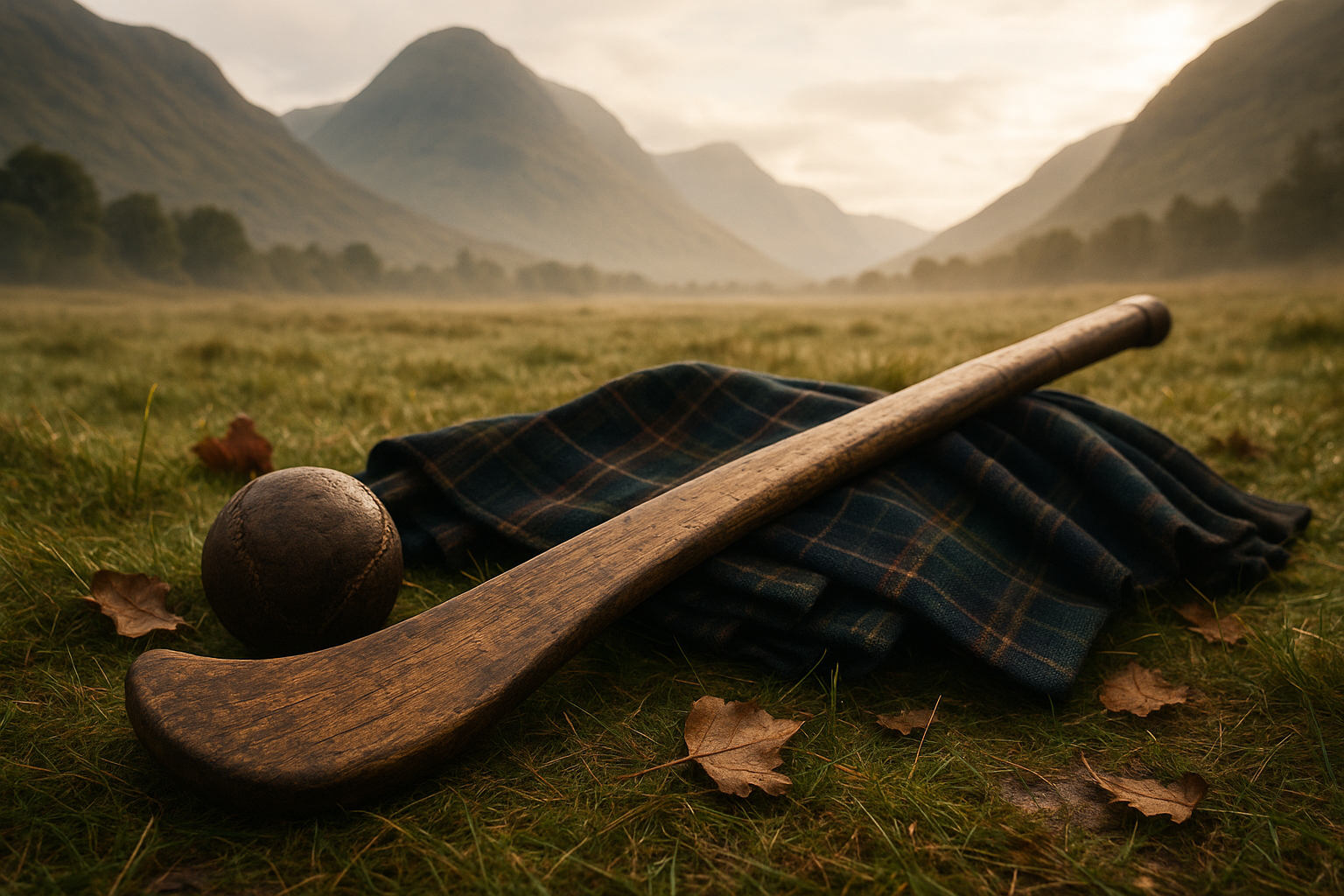
As we journey through the annals of time, we will also encounter the essential tools of the trade—each with its own story to tell. The caman, a curved stick central to the game, serves not only as a functional implement but also as a symbol of the sport’s enduring legacy. We’ll take a closer look at how this tool has evolved over the centuries, adapting to changes in both material culture and the rules of play. Furthermore, the ball used in shinty, known as the “sliotar,” has its own intriguing evolution, influenced by everything from available resources to technological advancements.
Yet, the allure of shinty goes beyond its historical artifacts. It is a sport that thrives on passion, skill, and the raw energy of competition. We will explore how these elements have been preserved and celebrated, from local matches in picturesque villages to larger tournaments that draw crowds from far and wide. The sense of community and camaraderie fostered by shinty is unparalleled, creating bonds that transcend generations and geographical boundaries.
In today’s modern world, where digital entertainment often overshadows traditional pastimes, shinty stands as a powerful reminder of the joys of physical sport and human connection. Its resilience and adaptability are testament to the game’s significance and the dedication of those who play it. Whether you’re a seasoned player, a curious onlooker, or someone with a penchant for history, the story of shinty offers something for everyone—a rich tapestry of human experience, passion, and cultural identity.
Throughout this comprehensive exploration, we will tackle several key topics: the earliest records of shinty-like games, the evolution of rules and equipment, and the role of shinty in Scottish cultural identity. Additionally, we’ll examine how the sport has been preserved and promoted in the modern era, ensuring its place in the future of Scotland’s sporting landscape. By the end of our journey, you’ll have a deeper appreciation for shinty, understanding not just its historical significance, but also its vibrant role in contemporary life.
So, grab your caman and prepare to step onto the field of history. As we unveil the ancient roots of shinty, you’ll discover a world where past and present collide in a dance of heritage and sport. This is more than a game; it’s a living legacy, ready to be explored and celebrated. Are you ready to embark on this captivating adventure through Scotland’s thrilling Highland sport? 🏆
Conclusion
As we conclude our journey through the ancient heritage of shinty, it’s clear that this enduring Highland sport is far more than a game — it’s a living link to Scotland’s cultural roots and communal spirit. Originating from Gaelic traditions, shinty once served as a form of training for warriors, sharpening coordination, teamwork, and courage long before it became a formalized sport.
The true legacy of shinty lies in its deep connection to identity and tradition. 🌿💫 Played across rugged landscapes and tight-knit villages, it continues to unite generations through shared passion, pride, and perseverance. Ultimately, discovering shinty’s ancient heritage is more than tracing the past — it’s celebrating a vibrant tradition that still embodies the strength, unity, and resilience of Highland life.
