
Anúncios
Radio broadcasting remains one of the most accessible and beloved forms of entertainment worldwide, connecting millions of listeners to music, news, talk shows, and cultural content every single day.


Whether you’re commuting to work, relaxing at home, or exploring new genres of music, having access to hundreds of AM and FM radio stations transforms your listening experience. The digital age has revolutionized how we tune into our favorite broadcasts, making it easier than ever to discover stations from around the globe.
Anúncios
Gone are the days when you were limited to local frequencies with spotty reception. Modern technology enables you to listen to crystal-clear broadcasts from different cities, countries, and continents—all from a single device in your pocket. 📻
Why Radio Still Matters in the Digital Era
Anúncios
Despite the rise of streaming services and podcasts, traditional radio maintains its unique charm and relevance. Radio stations offer curated content that reflects local culture, breaking news as it happens, and a sense of community that algorithm-driven playlists simply cannot replicate.
AM and FM radio stations provide real-time interaction between hosts and listeners, creating authentic connections that feel personal and engaging. Many stations feature local personalities who understand their audience’s tastes, concerns, and interests intimately.
Radio also serves as a vital information source during emergencies. When internet connections fail or power outages occur, battery-powered radios remain functional, broadcasting critical updates and safety information to affected communities.
The Evolution from Analog Tuners to Digital Streaming
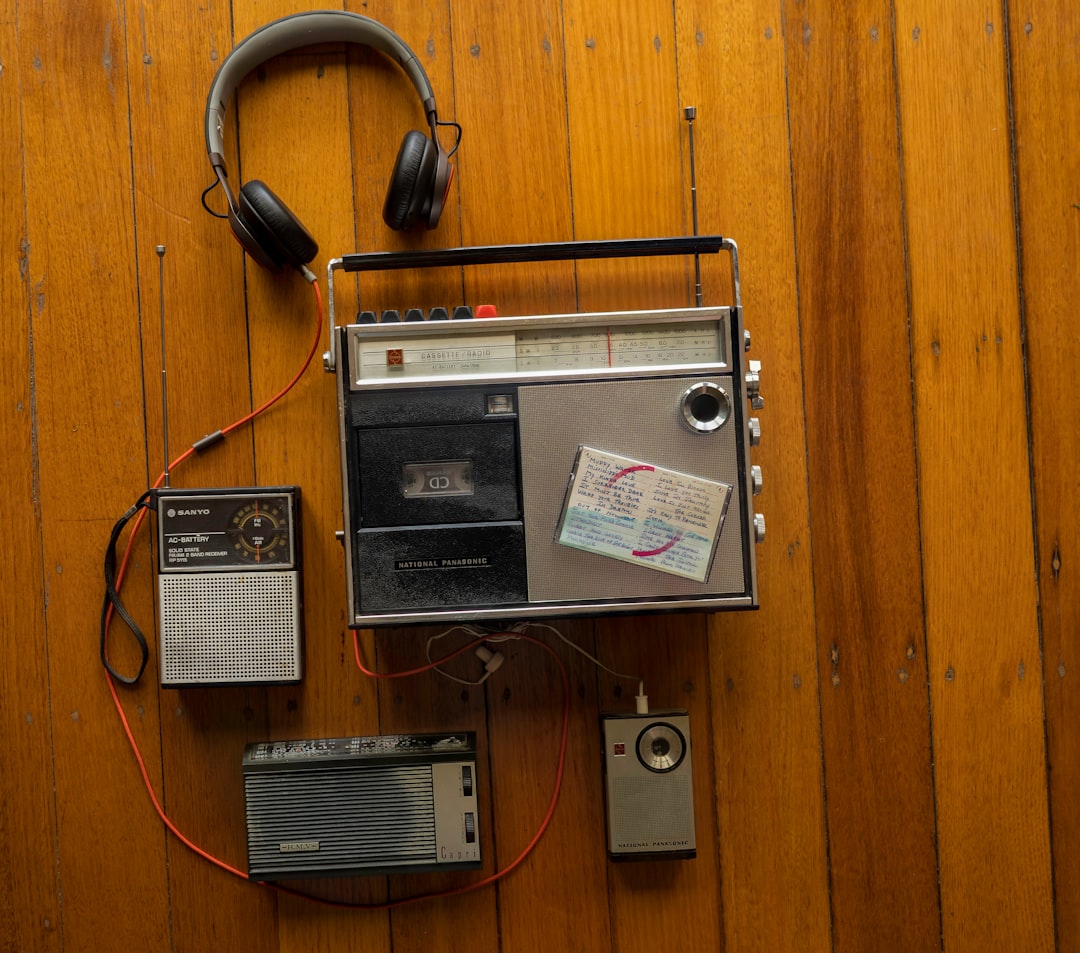
The transition from traditional radio receivers to internet-based streaming has been remarkable. What once required bulky equipment and antennas now fits seamlessly into smartphone applications with intuitive interfaces and advanced features.
Modern radio apps aggregate thousands of stations worldwide, organizing them by genre, location, language, and popularity. This organization makes discovering new content incredibly simple, whether you’re searching for classic rock from Chicago or jazz broadcasts from New Orleans.
Digital radio streaming eliminates geographical barriers entirely. A listener in Tokyo can enjoy a morning show from London, while someone in São Paulo tunes into country music from Nashville—all without static interference or signal loss. 🌍
Technical Advantages of Digital Radio Access
Internet radio streaming offers superior audio quality compared to traditional AM/FM broadcasts. Digital signals aren’t susceptible to atmospheric interference, electrical noise, or physical obstacles that plague analog transmissions.
Additionally, many streaming platforms provide metadata displays showing song titles, artist information, and album artwork—features impossible with conventional radio receivers. This enriched experience helps listeners discover new music and connect more deeply with content.
Discovering Hundreds of Stations at Your Fingertips
Access to hundreds of radio stations means endless variety. Whether your taste runs toward Top 40 hits, classical symphonies, talk radio, sports commentary, or niche genres like bluegrass or electronic dance music, there’s a station broadcasting exactly what you want to hear.
Many applications categorize stations by mood and activity as well. You can find “workout motivation” stations, “relaxing evening” channels, or “commute companions” that match your current situation and energy level perfectly.
The diversity extends beyond music genres. News stations offer perspectives from different political viewpoints and geographical regions. Sports fans can follow their favorite teams through dedicated broadcast channels. Comedy enthusiasts discover stand-up performances and humorous talk shows.

AM vs FM: Understanding the Differences
While both AM and FM radio have coexisted for decades, they serve slightly different purposes and offer distinct listening experiences. Understanding these differences helps you appreciate the full spectrum of available content.
AM (Amplitude Modulation) radio typically broadcasts on lower frequencies and travels longer distances, especially at night when atmospheric conditions are favorable. This makes AM ideal for talk radio, news, and sports broadcasts that prioritize content over audio fidelity.
FM (Frequency Modulation) radio operates at higher frequencies and provides superior sound quality, making it perfect for music programming. FM signals don’t travel as far as AM but offer stereo sound and resistance to electrical interference.
The Best Content for Each Band
Many major news networks and talk shows prefer AM broadcasting because voice clarity remains excellent even with the format’s technical limitations. Sports commentary also thrives on AM, where play-by-play descriptions don’t require high-fidelity audio.
FM stations dominate music broadcasting across all genres. The improved frequency response and stereo capability make musical performances sound richer and more dynamic, closely approximating the artist’s original intent.
When you access hundreds of stations digitally, you’re not limited by band constraints. Applications stream both AM and FM content with equal clarity, allowing you to enjoy the best of both worlds without compromise. 🎵
Creating Your Personal Radio Experience
One of the greatest advantages of modern radio apps is personalization. You can save favorite stations for instant access, create custom lists organized by mood or time of day, and receive recommendations based on listening history.
Many platforms include alarm clock functions that wake you gently with your preferred morning show or music genre. This feature transforms your daily routine, replacing jarring alarm sounds with engaging content that eases you into the day.
Sleep timers automatically stop playback after a set duration, perfect for those who enjoy falling asleep to soothing music or calming talk shows. These thoughtful features demonstrate how radio technology has adapted to modern lifestyle needs.
Exploring International Broadcasting
Access to international radio stations opens windows into different cultures, languages, and perspectives. Listening to broadcasts from other countries provides authentic language immersion opportunities for students and travelers.
Music enthusiasts discover regional genres that rarely reach mainstream international audiences. From Brazilian bossa nova to Korean pop, from African highlife to Caribbean reggae, global radio access celebrates musical diversity in its fullest expression.
News programming from international sources offers alternative viewpoints on global events, helping listeners develop more nuanced understanding of complex situations. This diversity of perspective has never been more important in our interconnected world. 🗺️
Language Learning Through Radio
Language learners find radio broadcasting invaluable for developing listening comprehension skills. Unlike structured lessons, radio exposes learners to natural speech patterns, regional accents, colloquialisms, and contemporary vocabulary.
Many stations broadcast specifically for language learners, with slower-paced speech and educational content. Others offer news in simplified language, making international events accessible to intermediate learners building their proficiency.
The Social Aspect of Radio Listening
Radio creates shared experiences that connect communities. When thousands of listeners tune into the same morning show, they participate in collective moments—laughing at the same jokes, discussing the same topics, feeling part of something larger than themselves.
Social media has amplified this communal aspect. Listeners interact with stations through hashtags, call-ins, and dedicated apps, creating conversations that extend beyond the broadcast itself. This interactivity makes radio more engaging than ever.
Local stations particularly excel at building community identity. They promote regional events, support local businesses, celebrate hometown achievements, and provide platforms for community voices that might otherwise go unheard.
Technical Requirements and Data Considerations
Streaming hundreds of radio stations requires internet connectivity, either through WiFi or mobile data plans. Most radio streams use relatively modest bandwidth—typically between 64 and 128 kbps for standard quality broadcasts.
This efficiency means you can enjoy hours of listening without consuming excessive data. Many apps include quality settings that let you adjust streaming resolution based on your connection speed and data availability.
For users with limited data plans, downloading favorite shows for offline listening provides an excellent solution. Some platforms offer this feature for podcasts and recorded programs, though live broadcasts naturally require active connections. 📱
Optimizing Your Listening Experience
Connecting to quality speakers or headphones significantly enhances radio streaming enjoyment. Bluetooth connectivity makes this simple, allowing you to broadcast throughout your home or listen privately without disturbing others.
Smart speakers with voice assistant integration offer hands-free radio control. Simply ask for specific stations, genres, or locations, and your preferred content begins playing immediately—perfect for multitasking situations like cooking or exercising.
Radio Apps Features That Enhance Enjoyment
Modern radio applications include features that traditional receivers could never offer. Recording capabilities let you capture live broadcasts for later enjoyment, ensuring you never miss important content due to scheduling conflicts.
Search functions help you quickly find stations by name, location, genre, or even specific songs and artists. This searchability transforms casual listening into active exploration, helping you discover new favorites constantly.
Integration with music identification services like Shazam adds another dimension to discovery. When you hear an unfamiliar song you love, instant identification helps you learn the artist and track name without interrupting your listening experience. 🎼
The Future of Radio Broadcasting
Radio continues evolving alongside technological advancement. Hybrid digital-analog systems combine the reliability of traditional broadcasting with the clarity of digital transmission, offering the best of both approaches.
Artificial intelligence increasingly personalizes radio experiences, learning your preferences and suggesting stations, shows, and times that match your tastes. These smart recommendations feel less intrusive than music streaming algorithms because they respect radio’s live, curated nature.
Podcasting and radio are converging, with many stations offering on-demand versions of popular programs alongside live broadcasts. This flexibility accommodates diverse listening habits while maintaining radio’s essential spontaneity and immediacy.
Making Radio Part of Your Daily Routine
Incorporating radio into daily activities enriches mundane tasks with entertainment and information. Morning commutes become more enjoyable with engaging talk shows or energizing music. Household chores pass more quickly with background entertainment.
Radio provides company for people living alone, creating a sense of presence and connection. The human voices and carefully curated content offer comfort and companionship that pre-recorded playlists cannot match.
For families, shared radio listening creates bonding opportunities. Road trips become more memorable with sing-alongs to FM music stations or discussions sparked by interesting NPR programs. These shared experiences build lasting memories. 🚗
Supporting Local and Independent Radio
While accessing hundreds of international stations is exciting, don’t overlook local and independent broadcasters. These stations often take creative risks, support emerging artists, and provide platforms for underrepresented voices.
Community radio stations operate on tight budgets but deliver passionate, authentic content. They cover local news that larger networks ignore, play music from independent labels, and create programming that reflects their specific audience’s unique character.
Many listener-supported stations depend on donations and sponsorships to survive. If you find a station you love, consider supporting them financially or through social media engagement. Your contribution helps preserve radio’s diversity and independence.
Overcoming Common Listening Challenges
Occasionally, streams may buffer or disconnect due to weak internet signals. Switching between WiFi and mobile data, or adjusting quality settings, usually resolves these issues quickly without significantly impacting audio quality.
Regional restrictions sometimes limit access to certain international stations due to licensing agreements. While frustrating, these limitations protect artists’ rights and ensure fair compensation for creative work. Alternative stations from the same region often provide similar content.
Battery drain can concern mobile listeners, especially during extended sessions. Reducing screen brightness, closing background apps, and using battery-saver modes helps extend listening time significantly during long journeys or outdoor activities. 🔋
The Nostalgic Joy of Radio Discovery
There’s something magical about stumbling upon a new station that perfectly matches your mood or introduces you to music you’d never have discovered otherwise. This serendipity recalls radio’s golden age while leveraging modern technology’s convenience.
Unlike algorithm-driven playlists that can feel predictable, radio DJs surprise you with unexpected selections, deep cuts, and transitions that spark genuine delight. This human curation creates listening experiences that feel crafted with care rather than calculated by code.
Many listeners develop parasocial relationships with favorite radio personalities, following their careers across stations and platforms. These connections demonstrate radio’s enduring power to create meaningful human bonds through airwaves and internet streams alike.
Maximizing Your Radio Listening Library
With hundreds of stations available, organization becomes important. Most apps allow you to favorite stations, creating a personalized collection that eliminates endless scrolling through general directories.
Consider organizing favorites by purpose: morning motivation stations, work focus channels, evening relaxation broadcasts, and weekend exploration options. This intentional structure makes selecting appropriate content effortless and intuitive.
Regularly explore beyond your comfort zone. Dedicate time each week to sampling unfamiliar genres, international broadcasts, or specialty programming. You’ll expand your musical horizons and discover unexpected favorites that enrich your listening repertoire. 🌟

Embracing the Radio Renaissance
Radio is experiencing a renaissance, blending traditional broadcasting values with cutting-edge technology. This evolution ensures radio remains relevant for new generations while honoring the medium’s rich heritage and cultural significance.
Young listeners are rediscovering radio’s unique appeal—the shared experience, live spontaneity, expert curation, and local connection that streaming services struggle to replicate authentically despite sophisticated algorithms and massive catalogs.
As you explore the vast landscape of AM and FM radio stations now accessible worldwide, you’re participating in this ongoing story. Each listen supports broadcasters, discovers artists, and celebrates the remarkable medium that has informed, entertained, and connected humanity for over a century.
The ability to access hundreds of radio stations represents more than technological convenience—it’s a gateway to global culture, diverse perspectives, and endless discovery. Whether you’re seeking familiar comfort or exciting exploration, radio broadcasting continues delivering both with timeless appeal and modern accessibility.
