
Anúncios
Discover the art and science of cheese through comprehensive online courses, virtual tastings, and expert-led masterclasses that bring the world of fromage directly to your home.


The digital age has revolutionized how we learn about artisan foods, and cheese education stands at the forefront of this transformation. Whether you’re a home cook looking to expand your culinary repertoire or an aspiring cheesemonger seeking professional certification, online cheese courses offer unprecedented access to expert knowledge from renowned affineurs, sommeliers, and master cheesemakers worldwide.
From understanding the biochemistry of fermentation to mastering the perfect cheese board presentation, digital platforms now provide structured learning paths that were once available only through expensive in-person workshops or specialized culinary schools. The convenience of learning at your own pace, combined with interactive elements like live Q&A sessions and virtual tastings, makes cheese education more accessible than ever before.
🧀 Types of Online Cheese Courses Available Today
The online cheese education landscape offers remarkable variety. Introductory courses typically cover cheese families, production methods, and basic tasting techniques. These beginner-friendly programs usually run 4-6 weeks and cost between $50-150, making them perfect for enthusiastic home cooks.
Professional certification programs dive deeper into terroir, affinage techniques, and commercial applications. The American Cheese Society offers virtual components for their Certified Cheese Professional exam preparation, while the Academy of Cheese in the UK provides comprehensive online modules leading to internationally recognized qualifications.
Specialized courses focus on niche topics like vegan cheese production, cheese and wine pairing, or regional styles such as French farmhouse cheeses or Italian DOP varieties. These targeted programs typically range from single 90-minute masterclasses to month-long deep dives.
Virtual Tasting Experiences
Many online programs now ship curated cheese selections directly to students. Virtual tastings create an interactive experience where participants sample the same cheeses while an expert guides them through flavor profiles, production techniques, and optimal serving conditions via video conference.
Companies like Murray’s Cheese, Cheese Grotto, and Formaticum have developed sophisticated tasting kits with 5-8 carefully selected cheeses, accompaniments, and detailed tasting notes. These experiences typically cost $75-200 per session and accommodate various dietary restrictions.
Self-Paced Learning Platforms
Platforms like Udemy, Skillshare, and Coursera host dozens of cheese-related courses. The self-paced format allows you to pause, rewind, and revisit complex topics like the science of cheese aging or the intricacies of raw milk regulations.
The flexibility means you can complete a comprehensive cheese course over a weekend intensive or spread lessons across several months. Most platforms offer lifetime access to course materials, including downloadable guides, recipes, and reference charts.
📚 What You’ll Actually Learn in Quality Cheese Programs
Reputable online cheese courses build knowledge systematically. Foundational modules introduce the seven major cheese families: fresh, bloomy-rind, washed-rind, semi-soft, hard, blue, and processed. You’ll learn how milk type (cow, goat, sheep, buffalo) influences texture and flavor.
The science component explains how cultures, enzymes, and aging conditions transform liquid milk into solid cheese. Understanding this biochemistry helps you predict flavor development, troubleshoot home cheesemaking, and appreciate artisan craftsmanship.
Tasting Methodology and Vocabulary
Professional tasting follows a structured approach. You’ll learn to evaluate appearance (color, rind condition, eye formation), aroma (intensity, character, development), texture (firmness, moisture, mouthfeel), and flavor (primary tastes, complexity, finish).
Developing precise vocabulary transforms vague impressions into articulate descriptions. Instead of “tastes good,” you’ll identify specific notes like “grassy with hints of white mushroom” or “nutty with caramel undertones and a clean mineral finish.”
Pairing Principles That Work
Advanced courses teach systematic pairing approaches. The classic principle of “what grows together, goes together” pairs regional cheeses with local wines, beers, and foods. French Comté naturally complements Jura wines, while Vermont cheddar shines alongside local cider.
You’ll explore contrasting pairings (creamy Brie with crisp champagne) and complementary matches (aged Gouda with caramel notes alongside bourbon). Understanding fat content, acidity, and flavor intensity helps you create balanced combinations rather than relying on trial and error.
🏆 Choosing the Right Online Cheese Course for Your Goals
Define your objectives before enrolling. Hobby learners seeking dinner party skills need different content than aspiring professionals pursuing cheese shop employment or consulting careers.
Check instructor credentials carefully. Look for certifications from recognized organizations like the American Cheese Society, Guilde des Fromagers, or Academy of Cheese. Industry experience matters—instructors who currently work as cheesemongers, distributors, or producers bring practical insights textbook knowledge can’t match.
Evaluating Course Quality Indicators
Quality programs provide detailed syllabi outlining specific learning outcomes. Vague descriptions like “learn about cheese” signal superficial content. Look for specifics: “identify 50+ cheese varieties by sight and taste” or “understand moisture content’s impact on aging potential.”
Student reviews reveal patterns. Consistent praise for engaging instruction, responsive support, and practical applicability indicates solid programs. Complaints about outdated information, poor production quality, or unresponsive instructors are red flags.
Preview options help you assess teaching style and production values. Many platforms offer free introductory modules or sample lessons. Invest 20 minutes evaluating before committing your money and time.
Understanding Certification Value
Not all certificates carry equal weight. Industry-recognized credentials from established organizations enhance employment prospects and professional credibility. Completing a comprehensive Academy of Cheese program demonstrates serious commitment to potential employers.
Platform certificates from Udemy or Skillshare primarily document personal achievement rather than professional qualification. They’re valuable for knowledge acquisition but won’t typically open career doors independently.
| Certification Type | Duration | Investment | Best For |
|---|---|---|---|
| Certified Cheese Professional (CCP) | 6-12 months prep | $400-800 | Career professionals |
| Academy of Cheese Level 1 | 20-30 hours | £300-400 | Serious enthusiasts |
| Platform courses | 5-20 hours | $30-200 | Hobby learners |
| Virtual masterclasses | 1-3 hours | $50-150 | Topic exploration |
🛠️ Practical Skills You’ll Develop Through Online Learning
Beyond theoretical knowledge, quality programs build hands-on competencies. Cutting techniques maximize visual appeal and ensure guests experience optimal texture. You’ll learn when to cut thin shavings versus thick wedges, and how cutting direction affects semi-hard cheeses.
Proper storage extends shelf life and preserves quality. Courses teach humidity requirements, wrapping materials (cheese paper versus plastic), and temperature zones. Understanding these variables prevents common mistakes like dried-out surfaces or premature mold development.
Building Exceptional Cheese Boards
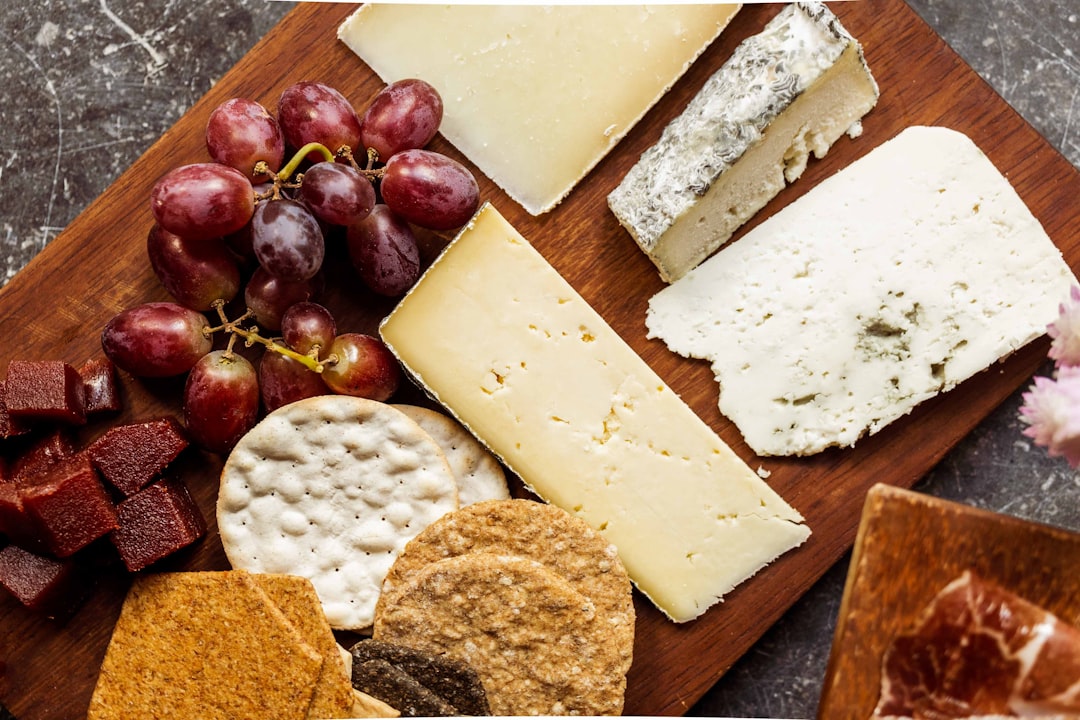
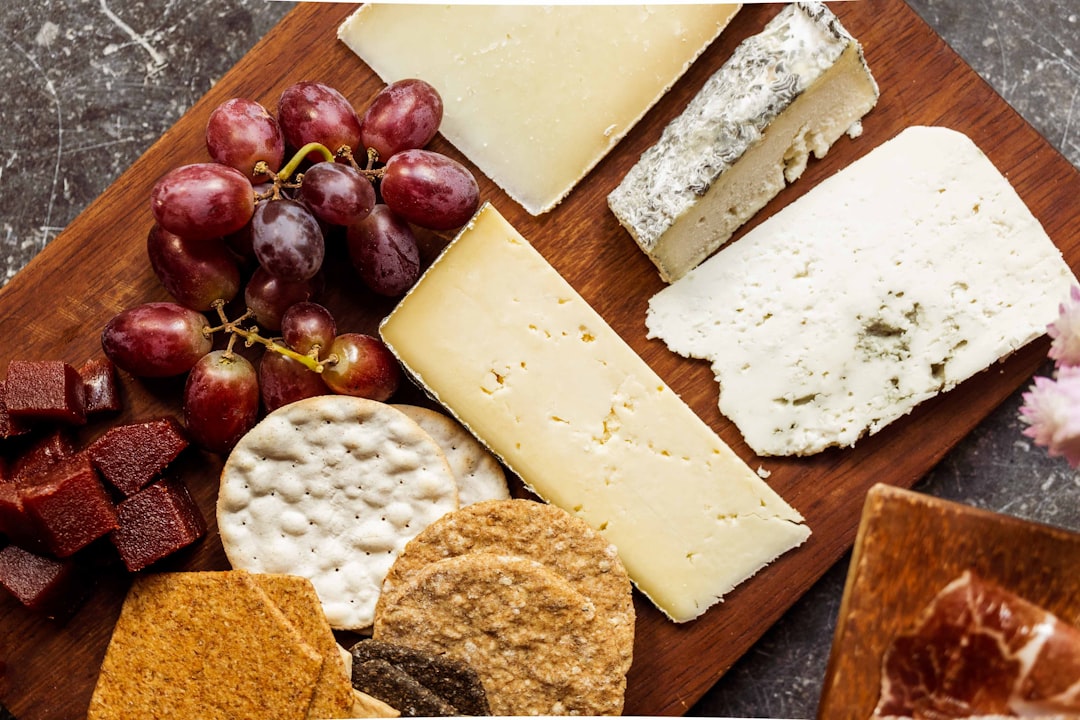
Cheese board construction combines aesthetics, variety, and strategic planning. Professional instruction covers the rule of three (selecting cheeses with different textures, milk types, and intensities), appropriate quantity calculations (2-3 ounces per person for appetizers, 5-6 ounces for cheese-focused meals), and visual arrangement principles.
Accompaniment selection enhances rather than overwhelms. You’ll discover how honey varieties complement different cheese families, which nuts provide textural contrast, and how fruit selection changes seasonally. Fresh figs with aged goat cheese in summer; poached pears with blue cheese in winter.
Shopping Like a Pro
Courses teach you to evaluate cheese shop quality, identify freshness indicators, and communicate effectively with cheesemongers. You’ll learn questions that elicit useful information: “When did this arrive?” “Can I taste before purchasing?” “What’s drinking well with this right now?”
Understanding pricing helps you recognize value. Farmstead cheeses command premiums due to small-scale production and unique terroir. Factory-produced varieties offer consistency at lower price points. Neither is inherently better—appropriate selection depends on context and budget.
🌍 Exploring Global Cheese Traditions Online
Digital learning transcends geographic boundaries. French cheese courses might feature guest appearances from Normandy camembert producers or Roquefort cave masters, providing authentic cultural context impossible in traditional classrooms.
Italian programs explore the Protected Designation of Origin (PDO) system, explaining why authentic Parmigiano-Reggiano comes exclusively from specific provinces and follows strict production protocols. Understanding these regulations helps you identify genuine artisan products versus industrial imitations.
American Artisan Renaissance
The American cheese revolution deserves dedicated study. In 1970, the United States produced fewer than 100 artisan cheeses; today, over 1,000 farmstead and artisan producers craft world-class products.
Online courses spotlight regional movements: Vermont’s bloomy-rind expertise, Wisconsin’s European-style traditions, California’s innovative approaches. You’ll meet makers like Jasper Hill Farm, Rogue Creamery, and Point Reyes Farmstead, learning how they’ve earned international recognition.
British Territorial Cheeses
British cheese traditions extend beyond Cheddar. Territorial cheeses like Stilton, Wensleydale, Red Leicester, and Caerphilly each carry distinct regional heritage and production methods.
Quality courses explore how geography influences character. Stilton’s blue veining develops in specific humidity conditions. Lancashire’s crumbly texture results from unique curd handling. Understanding these connections deepens appreciation for traditional methods.
💡 Maximizing Your Online Cheese Education Investment
Active engagement accelerates learning. Take organized notes using a system that captures key concepts, tasting observations, and personal reactions. Digital tools like Notion or Evernote allow you to embed photos, links, and cross-references.
Join course forums and social media groups. Fellow students share discoveries, recommendations, and creative applications. These communities often continue long after formal instruction ends, providing ongoing learning opportunities.
Creating a Home Tasting Practice
Regular tasting develops palate memory. Purchase 2-3 cheeses weekly from different families or regions. Taste systematically, recording observations before consulting reference materials. This self-testing strengthens recall and pattern recognition.
Invite friends for guided tastings where you share knowledge. Teaching others reinforces learning and reveals gaps in understanding. You’ll discover which concepts you’ve truly mastered versus those requiring review.
Building Your Reference Library
Supplement online courses with quality books. “The Oxford Companion to Cheese” provides encyclopedic coverage. “Mastering Cheese” by Max McCalman offers systematic tasting methodology. “American Farmstead Cheese” by Paul Kindstedt explores production science.
Digital resources complement traditional texts. The Culture Magazine publishes in-depth articles on producers, trends, and techniques. Podcast series like “The Cutting Board” feature industry interviews and market insights.
🚀 Turning Cheese Knowledge Into Opportunity
Cheese expertise opens diverse paths. Retail careers in specialty shops, grocery cheese departments, or farmers’ markets combine customer interaction with product knowledge. Entry-level positions often require demonstrated enthusiasm more than formal credentials.
Catering and event planning increasingly feature cheese-focused experiences. Clients seek experts who can design memorable tastings, source exceptional products, and educate guests. Your online education provides the foundation for this specialized service.
Content Creation and Education
Food bloggers, Instagram educators, and YouTube creators monetize cheese knowledge through advertising, sponsorships, and affiliate partnerships. Building an audience requires consistency, unique perspective, and genuine expertise—all developed through comprehensive study.
Teaching opportunities exist both online and in-person. Cooking schools, wine shops, and community centers seek qualified instructors for cheese workshops. Your digital credentials and portfolio of knowledge position you for these roles.
Consulting and Product Development
Restaurants, grocery chains, and food service operations need consultants who can design cheese programs, train staff, and source products. Menu development consulting helps chefs incorporate cheese thoughtfully rather than as afterthought garnishes.
Product development roles in cheese production, distribution, or retail draw on deep category knowledge. Understanding production methods, market trends, and consumer preferences helps companies innovate successfully.
🎯 Advanced Topics Worth Pursuing
Once you’ve mastered fundamentals, specialized study offers continued growth. Raw milk cheese regulations, safety protocols, and flavor development present complex topics with passionate advocates on multiple sides.
Sustainable and ethical production practices increasingly influence purchasing decisions. Courses exploring animal welfare standards, environmental impact, and fair trade principles help you make informed choices and advise others.
The Science of Affinage
Affinage—the art of aging cheese—transforms good cheese into extraordinary products. Advanced courses explore humidity control, rind washing schedules, turning protocols, and microclimate management. Understanding these variables helps you appreciate why certain cheeses command premium prices.
Cave aging, wrapping techniques, and seasonal variations all influence final character. Some affineurs age cheese for years, carefully monitoring development and making micro-adjustments that dramatically impact outcome.
Plant-Based Cheese Innovation
Alternative cheese represents the industry’s fastest-growing segment. Nut-based cheeses use fermentation to develop complex flavors similar to dairy counterparts. Courses in this emerging field cover culture selection, aging methods, and texture optimization.
Understanding traditional cheesemaking enhances alternative cheese production. The same principles of acid development, protein coagulation, and flavor evolution apply across substrates. Innovators with feet in both worlds create the most successful products.
Online cheese education transforms casual interest into genuine expertise. The combination of structured curriculum, expert instruction, and flexible scheduling creates ideal learning conditions for modern students. Whether you’re exploring a fascinating hobby or building professional credentials, digital platforms provide accessible pathways to cheese mastery.
Start with clear goals, choose quality instruction, and engage actively with materials and community. Your investment in cheese knowledge pays dividends in enhanced enjoyment, career opportunities, and the simple pleasure of understanding one of humanity’s most ancient and beloved foods. The world of cheese awaits your discovery—one virtual lesson at a time.
