
Anúncios
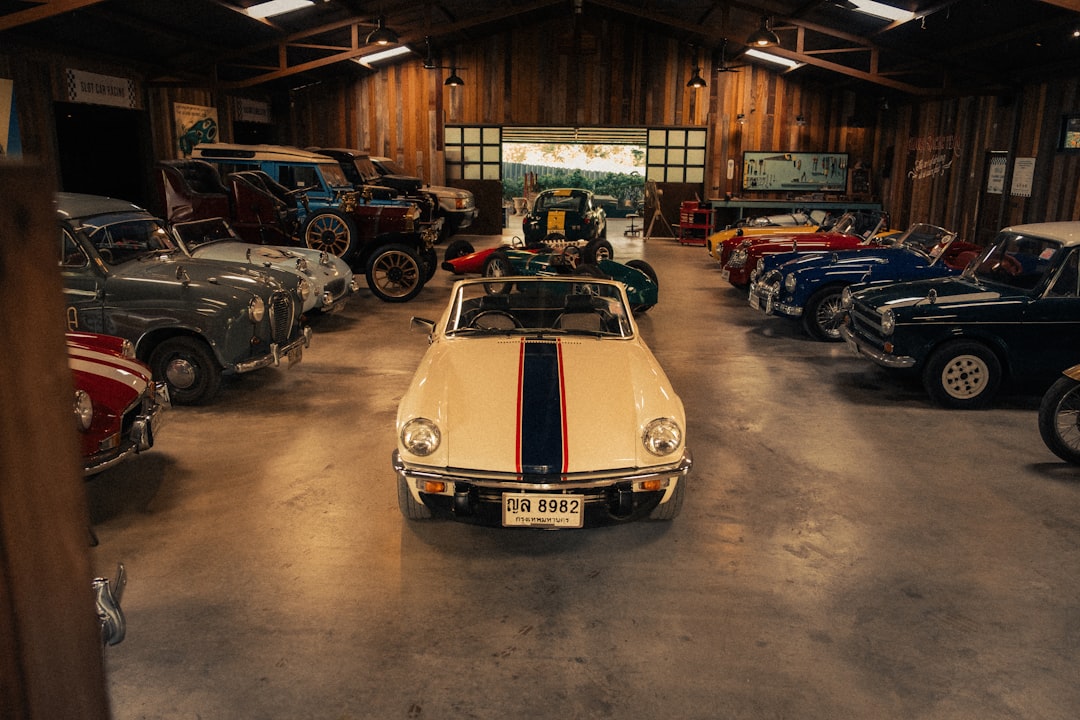
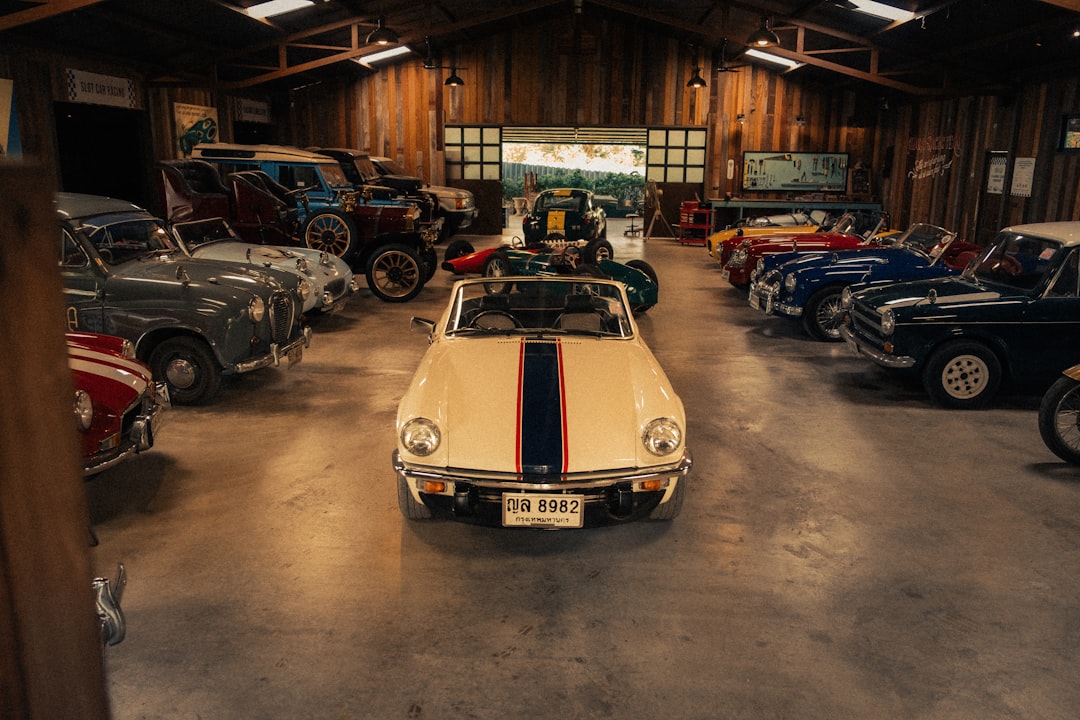
Classic cars represent more than vintage vehicles—they embody automotive artistry, cultural heritage, and mechanical craftsmanship. Learning about them online has never been more accessible.


The digital age has transformed how enthusiasts discover, study, and appreciate automotive history. Whether you’re drawn to the sleek lines of a 1967 Chevrolet Camaro or the timeless elegance of a Mercedes-Benz 300SL Gullwing, comprehensive resources now exist at your fingertips.
From interactive forums and virtual museums to specialized courses and restoration tutorials, the internet offers countless pathways to deepen your knowledge. This guide explores the best methods, platforms, and communities for mastering classic car appreciation from anywhere in the world.
🚗 Why Learning About Classic Cars Online Makes Sense
Traditional learning methods required attending physical shows, subscribing to print magazines, or joining local clubs. While valuable, these approaches limited accessibility for many enthusiasts.
Online education breaks down geographical barriers. Someone in rural Montana can access the same expert knowledge as an enthusiast in Los Angeles. Digital platforms provide:
- 24/7 access to archival photographs, technical specifications, and restoration guides
- Direct interaction with collectors, restorers, and historians worldwide
- Video documentation showing mechanical processes in real-time
- Affordable or free educational content compared to physical workshops
- Searchable databases with thousands of make, model, and year combinations
The learning curve that once took decades can now be compressed into months through structured online courses and curated content. Beginners gain foundational knowledge quickly, while experienced collectors discover niche details about specific models.
📚 Top Online Platforms for Classic Car Education
Numerous websites and applications cater specifically to automotive enthusiasts. Selecting the right platform depends on your learning style and specific interests.
Specialized Apps and Digital Tools
Dedicated applications offer portable learning experiences. The Hagerty app, for instance, provides valuation tools, market trends, event calendars, and educational articles. Users track their favorite models, receive price alerts, and access insurance resources tailored to classic vehicles.
Other noteworthy apps include:
- ClassicCars.com Journal: Daily articles covering auctions, restoration projects, and collector profiles
- Bring a Trailer: Detailed auction listings with comprehensive photography and community commentary
- Hemmings Motor News: Digital versions of the iconic print magazine with classifieds and feature stories
YouTube Channels That Teach Restoration and History
Video content excels at demonstrating hands-on processes. Channels like Hagerty Drivers Foundation showcase barn finds, expert interviews, and driving reviews. Vice Grip Garage documents ambitious rescue missions of abandoned vehicles.
Jay Leno’s Garage offers unparalleled access to rare automobiles with detailed walkarounds. Meanwhile, Petrolicious combines cinematic storytelling with owner narratives, revealing the emotional connections between collectors and their machines.
Online Courses and Webinars
Structured learning programs provide systematic knowledge building. Platforms like Udemy and Skillshare host courses covering topics from automotive history to specific restoration techniques.
Professional organizations offer webinars on valuation, authenticity verification, and market analysis. The Classic Car Club of America regularly streams expert presentations available to members worldwide.
🔍 Understanding Classic Car Categories and Eras
Effective learning requires understanding how vehicles are classified. Automotive historians divide classic cars into distinct periods, each with unique characteristics.
| Era | Years | Key Characteristics | Notable Examples |
|---|---|---|---|
| Brass Era | 1896-1915 | Brass fittings, hand-crank starts, open cabins | Ford Model T, Cadillac Model A |
| Vintage | 1919-1930 | Post-WWI innovations, enclosed bodies | Duesenberg Model J, Bentley 4½ Litre |
| Pre-War | 1930-1945 | Streamlining, chrome accents | Auburn 851 Speedster, Bugatti Type 57 |
| Post-War | 1945-1960 | Tail fins, chrome bumpers, V8 engines | Chevrolet Bel Air, Ford Thunderbird |
| Muscle Car | 1964-1975 | High-performance engines, aggressive styling | Pontiac GTO, Dodge Charger |
| Modern Classic | 1980s-1990s | Transitional technology, emerging collectibility | BMW E30 M3, Porsche 911 (964) |
Each era reflects technological advancements, design philosophies, and cultural movements. Understanding these distinctions helps enthusiasts appreciate context when researching specific vehicles.

🛠️ Learning Technical Aspects Through Digital Resources
Appreciating classic cars extends beyond aesthetics. Understanding mechanical systems, restoration techniques, and maintenance requirements deepens your expertise.
Engine Fundamentals and Evolution
Online resources explain how powerplants evolved from simple flathead designs to complex overhead-cam configurations. Websites like HowStuffWorks and Engineering Explained break down combustion principles, valve timing, and carburetor operation.
Interactive diagrams allow you to explore engine components virtually. These tools help beginners grasp concepts like compression ratios, firing orders, and lubrication systems without needing physical access to machinery.
Restoration Process Documentation
Countless enthusiasts document complete restoration projects online. These multi-part series cover:
- Disassembly: Proper techniques for removing components without causing damage
- Assessment: Identifying rust, wear patterns, and parts requiring replacement
- Metalwork: Welding, panel replacement, and body straightening methods
- Paint preparation: Sanding, priming, and achieving factory-correct finishes
- Reassembly: Correct torque specifications and assembly sequences
Forums like The H.A.M.B. (Hokey Ass Message Board) and Garage Journal host thousands of build threads where members share progress photos, ask technical questions, and troubleshoot problems collaboratively.
Electrical Systems and Wiring
Vintage electrical systems challenge many restorers. Online wiring diagrams, available through manufacturer archives and enthusiast websites, prove invaluable. American Autowire and similar companies publish educational content explaining circuit design, fuse placement, and period-correct component sourcing.
💰 Valuation and Market Trends Through Data Analysis
Understanding classic car values helps buyers, sellers, and collectors make informed decisions. Digital platforms aggregate auction results, private sales, and market movements.
Price Guide Databases
Hagerty Valuation Tools provide condition-based pricing for thousands of models. Their system rates vehicles from 1 (Concours condition) to 5 (project car), offering realistic market ranges.
Classic.com tracks auction sales globally, allowing users to search specific makes, models, and years. Filter results by sale date, location, and final hammer price to identify trends.
Recognizing Investment Potential
Certain models appreciate faster than others. Factors influencing collectibility include:
- Production numbers: Rarity drives desirability (limited editions command premiums)
- Historical significance: Race history, celebrity ownership, or engineering milestones
- Cultural impact: Vehicles featured in films or representing design movements
- Condition availability: Models where surviving examples are predominantly deteriorated
Market reports published by Sports Car Market and Hagerty Insider analyze emerging trends. Recent data shows 1980s-1990s Japanese sports cars experiencing rapid appreciation, while certain American muscle cars plateau after sustained growth.
🌐 Joining Online Communities and Forums
Learning accelerates through community participation. Veteran enthusiasts share decades of accumulated knowledge freely in digital spaces.
Model-Specific Forums
Nearly every classic car has dedicated forums where owners congregate. Corvette Forum, Mustang6G, and Pelican Parts (Porsche) host technical discussions, parts recommendations, and troubleshooting threads.
These communities develop comprehensive knowledge bases. Search functionality allows you to find solutions to obscure problems encountered by others years prior.
Social Media Groups
Facebook groups like Classic Cars & Trucks and Barn Finds connect enthusiasts visually. Members share photos, restoration updates, and event announcements. Instagram accounts curate stunning photography while providing model histories in captions.
Reddit Communities
Subreddits including r/classiccars, r/projectcar, and r/Autos offer diverse perspectives. The voting system elevates quality content, while AMAs (Ask Me Anythings) with professional restorers and collectors provide direct access to experts.
📸 Virtual Museum Tours and Digital Archives
Major automotive museums have digitized collections, enabling virtual exploration of rare vehicles.
The Petersen Automotive Museum offers 360-degree tours showcasing their rotating exhibits. The National Automobile Museum (Harrah Collection) provides detailed photography and historical context for hundreds of vehicles.
Google Arts & Culture partners with institutions worldwide, presenting high-resolution imagery and curatorial narratives. Explore the Mercedes-Benz Museum, Museo Enzo Ferrari, or LeMay – America’s Car Museum without leaving home.
Manufacturer archives like GM Heritage Center and Ford Archives publish historical documents, advertisements, and engineering drawings. These primary sources offer authentic details unavailable elsewhere.
🎓 Developing Expertise in Specific Marques
Generalists appreciate many vehicles, but specialists develop deep knowledge of particular manufacturers or models.
Single-Marque Clubs
Organizations like the Porsche Club of America, Ferrari Club of America, and Vintage Triumph Register maintain extensive online resources. Member portals provide technical bulletins, parts diagrams, and event calendars.
Registry Databases
Registries track specific models, documenting production numbers, options, and surviving examples. The Shelby American Automobile Club maintains detailed records verifying authenticity of Shelby Mustangs and Cobras.
These databases help enthusiasts research specific chassis numbers, color combinations, and original equipment. Authenticity verification protects buyers from counterfeit or incorrectly represented vehicles.
🔧 Practical Skills You Can Learn Remotely
While hands-on experience remains irreplaceable, numerous skills develop through online study before touching actual vehicles.
Reading Build Sheets and Decoding VINs
Vehicle Identification Numbers reveal manufacturing details. Online decoders interpret the alphanumeric sequences, identifying assembly plants, engine codes, and production dates.
Build sheets, when available, list factory-installed options. Learning to locate and interpret these documents (often hidden inside seats or door panels) helps verify originality.
Identifying Reproduction vs. Original Parts
Counterfeit components plague the collector car market. Educational content teaches identification techniques:
- Casting marks and date codes on engine components
- Font styles and placement on badges and trim
- Material composition (pot metal vs. die-cast vs. stamped steel)
- Fastener types (correct head markings for specific years)
Forums feature comparison photos highlighting subtle differences between authentic and aftermarket parts.
Paint and Interior Color Matching
Factory paint codes and interior trim combinations follow specific patterns. Online resources catalog original color options by year and model. PPG and DuPont publish historical paint chip books digitally, enabling accurate restoration color selection.
📅 Staying Current with Events and Auctions
The classic car calendar features prestigious events accessible through live streaming and online coverage.
Major Auction Houses
RM Sotheby’s, Bonhams, and Gooding & Company broadcast auctions live. Watch bidding unfold in real-time during Monterey Car Week, Amelia Island Concours, and Pebble Beach.
Post-auction analysis articles discuss sale prices, trends, and surprises. This exposure educates enthusiasts about current market dynamics and helps calibrate value expectations.
Concours and Shows
Event organizers share professional photography and videography online. Coverage of Pebble Beach Concours d’Elegance, Goodwood Festival of Speed, and Villa d’Este provides access to the world’s finest automobiles.
Many events now offer virtual tours, 360-degree vehicle views, and interviews with owners and judges.
🛡️ Understanding Preservation and Storage
Proper care extends vehicle lifespan. Online resources cover climate-controlled storage, battery maintenance, fluid preservation, and pest prevention.
Detailing channels demonstrate correct washing techniques, paint correction, and interior conditioning. Understanding pH-neutral soaps, microfiber towel usage, and wax types prevents accidental damage to original finishes.
Long-term storage guides explain fuel stabilizers, tire pressure monitoring, and humidity control. These practices protect investments whether vehicles sit months or years between drives.
🚀 Future Trends in Classic Car Digital Learning
Technology continues transforming automotive education. Emerging developments include:
- Virtual Reality workshops: Immersive training simulating restoration techniques
- Augmented Reality manuals: Overlay digital instructions onto physical vehicles
- AI-powered identification tools: Photograph components for instant specifications
- Blockchain provenance tracking: Immutable service records and ownership histories
These innovations will make expertise more accessible while preserving traditional knowledge for future generations.
🏁 Building Your Classic Car Knowledge Base
Creating a personal reference library accelerates learning. Bookmark valuable websites, save instructional videos to playlists, and organize digital photos by make and model.
Note-taking apps like Notion or Evernote help catalog specifications, pricing data, and technical details. Building this resource transforms casual interest into genuine expertise over time.
Engage consistently with communities, ask questions without hesitation, and share your own discoveries. The classic car hobby thrives on collective knowledge and passionate individuals willing to teach newcomers.
The internet has democratized automotive education. Geographic location, financial resources, and physical access no longer limit who can become knowledgeable about automotive heritage. Whether you dream of owning a pre-war coachbuilt masterpiece or a 1970s muscle car, comprehensive information awaits online.
Start exploring today—your journey into classic car appreciation requires only curiosity and an internet connection. The community welcomes enthusiasts at every level, ready to share the passion that keeps automotive history alive and thriving in the digital age.
