
Anúncios
The arrival of a handwritten love letter in today’s digital age carries an extraordinary power that instant messages and emails struggle to replicate. Physical letters transform emotions into tangible keepsakes that can be cherished for decades.
Love letters represent one of humanity’s oldest traditions of romantic expression, bridging distances and time through carefully chosen words on paper. The practice continues to resonate deeply with people across generations, creating irreplaceable memories through the simple act of putting pen to paper.

The Psychological Impact of Receiving Handwritten Love Letters 💌
Research in relationship psychology demonstrates that receiving handwritten correspondence triggers unique emotional responses in the human brain. When someone opens a love letter, multiple sensory experiences activate simultaneously—the texture of paper, the visual appearance of handwriting, and even the faint scent that might linger on the envelope.
Studies from communication researchers at Northwestern University found that tangible romantic gestures create stronger memory formation compared to digital alternatives. The physical nature of a letter engages what psychologists call “haptic memory,” connecting touch with emotional experience in ways that strengthen long-term recall.
The anticipation of opening an envelope addressed in a loved one’s handwriting releases dopamine, the same neurotransmitter associated with reward and pleasure. This biological response explains why people often report feeling butterflies or experiencing heightened excitement when discovering a letter waiting for them.
Recipients frequently describe a sense of being truly seen and valued when someone invests time in crafting a handwritten message. Unlike quick text messages that take seconds to compose, a letter requires deliberate effort, planning, and sustained attention—qualities that communicate deep care and commitment.
Why Handwriting Creates Deeper Emotional Connections
The uniqueness of each person’s handwriting adds an intimate dimension that typed text cannot replicate. Handwriting analysts note that script reveals personality traits, emotional states, and individual quirks that make letters feel like physical extensions of the writer themselves.
Slight imperfections in handwritten letters—crossed-out words, ink smudges, or uneven spacing—paradoxically increase their emotional value rather than diminish it. These human touches remind recipients that someone devoted their undivided attention to expressing feelings specifically for them.
Neurological research indicates that reading handwriting activates different brain regions than reading printed or digital text. The brain works harder to decode individual handwriting styles, which increases cognitive engagement and emotional processing of the message content.

Historical Significance of Love Letters Through the Ages 📜
Love letters have shaped romantic history for millennia, preserving passionate declarations from figures ranging from ancient philosophers to modern celebrities. The oldest known love poem dates to approximately 1750 BCE in ancient Mesopotamia, demonstrating humanity’s enduring need to document romantic feelings.
During the Victorian era, letter writing became an elaborate art form with specific etiquette rules governing romantic correspondence. Lovers developed coded language to express emotions that social conventions prohibited them from speaking aloud, turning letters into treasured secrets shared between two people.
The two World Wars dramatically increased the cultural importance of love letters as millions of separated couples relied on mail as their only connection. Archives contain countless examples of relationships sustained entirely through written correspondence during years of separation, with many of these letters now preserved in museums and historical collections.
Famous Love Letters That Changed Hearts and History
Napoleon Bonaparte’s passionate letters to Josephine remain among the most famous romantic correspondence in history. His declaration “I awake full of you” continues to inspire lovers more than two centuries later, demonstrating how powerful words transcend their original moment.
Frida Kahlo’s letters to Diego Rivera revealed raw vulnerability and fierce passion that provided insight into her artistic inspiration. These letters now help scholars understand the emotional foundations of her groundbreaking artwork.
Johnny Cash wrote his wife June Carter a birthday letter in 1994 that became legendary for its simple yet profound expression of enduring love. The letter, which described her as “the object of my desire, the #1 earthly reason for my existence,” shows how authentic emotion resonates more powerfully than elaborate language.
The Science Behind Why Written Words Affect Us Differently ✍️
Cognitive scientists have identified specific mechanisms that explain why written love letters create stronger emotional responses than digital messages. The permanence of ink on paper triggers psychological responses related to commitment and seriousness that ephemeral digital text does not activate.
Research from the University of California found that people retain information better when they read it in handwritten form compared to digital screens. This enhanced retention extends to emotional content, meaning recipients remember feelings expressed in letters more vividly than those shared through texts or emails.
The time delay inherent in letter writing and delivery creates what relationship experts call “anticipatory longing,” which actually intensifies romantic feelings. Unlike instant messaging, letters require patience, and this waiting period allows emotions to build and deepen.
The Role of Sensory Experience in Emotional Memory
When someone holds a love letter, they engage multiple senses simultaneously, creating what memory researchers call “multi-modal encoding.” The rustling sound of unfolding paper, the visual beauty of handwriting, and the tactile sensation of the page combine to form rich, detailed memories.
Studies on olfactory memory show that scents associated with letters—whether perfume, cologne, or simply the smell of paper and ink—can trigger powerful recall of emotions and moments even years later. This explains why people often return to old letters and experience vivid emotional flashbacks.
The physical act of reading a letter typically occurs in a focused, uninterrupted manner unlike scrolling through digital messages. This undivided attention during reading creates deeper processing of content and stronger emotional impact.
Transformative Power: How Love Letters Change Relationships 💝
Relationship therapists frequently recommend letter writing as a tool for couples seeking to deepen emotional intimacy. The act of articulating feelings on paper often helps people express thoughts they struggle to verbalize in conversation, breaking through communication barriers.
Marriage counselors report that couples who regularly exchange handwritten notes demonstrate higher relationship satisfaction scores compared to those who rely exclusively on verbal or digital communication. Written words allow for careful consideration and editing that reduces misunderstandings common in spontaneous conversations.
Letters create permanent records of relationship milestones and emotional growth that couples can revisit during challenging times. Many therapists suggest that reading old love letters during conflicts helps partners reconnect with positive feelings and remember their foundation of affection.
Letters as Relationship Anchors During Difficult Periods
Long-distance relationships particularly benefit from the exchange of handwritten correspondence. Distance relationship researchers found that couples who send physical letters report feeling more emotionally connected than those who rely solely on video calls and messaging apps.
During relationship conflicts, letters provide a non-confrontational way to communicate hurt feelings or apologies. The time required to write allows emotional regulation that prevents reactive responses, while the permanence of written words encourages more thoughtful, constructive expression.
Military families have long recognized the sustaining power of letters during deployments. Organizations like Operation Gratitude and A Million Thanks facilitate letter writing to service members specifically because handwritten mail provides emotional support that other communication forms cannot replicate.
Creating Lasting Memories Through Written Declarations 🎁
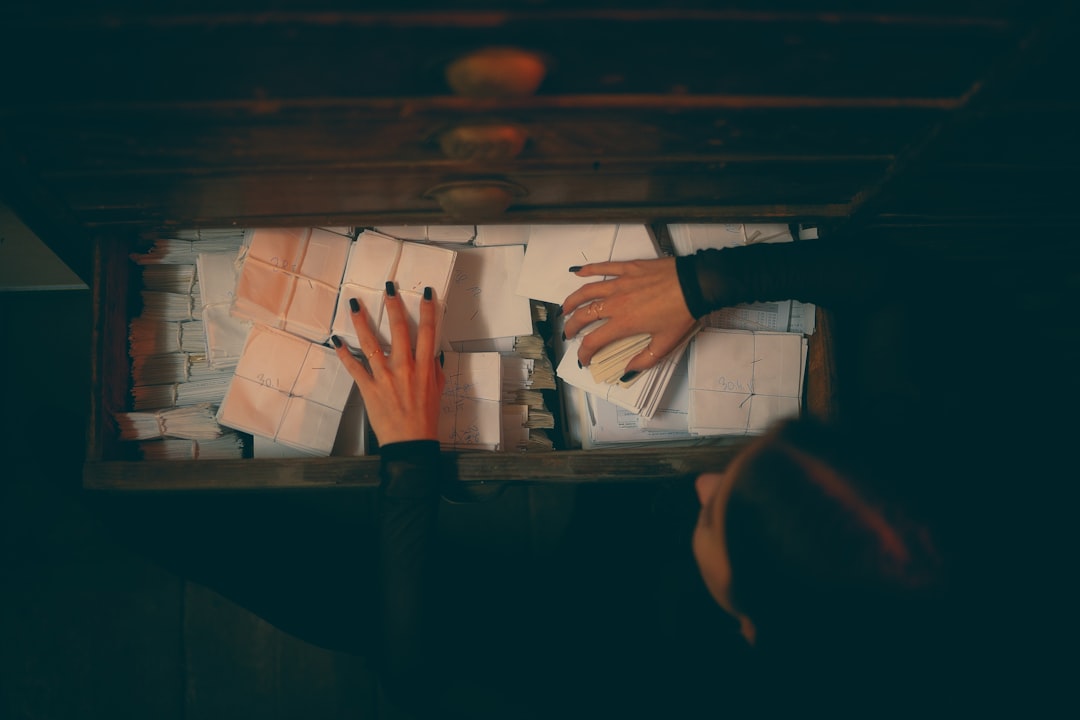
Love letters function as time capsules that preserve specific moments and emotions with remarkable fidelity. Recipients often store letters in special boxes or albums, creating personal archives of their romantic history that gain sentimental value over time.
Anniversary traditions frequently involve rereading letters exchanged during courtship or early relationship stages. This practice allows couples to witness their emotional journey, recognize growth, and reaffirm commitments by reconnecting with their younger selves’ expressions of love.
Family historians note that love letters become invaluable heirlooms that provide future generations with intimate portraits of ancestors. Children and grandchildren treasure letters between their forebears, gaining insights into family history that formal documents cannot convey.
The Archival Value of Personal Correspondence
Professional archivists emphasize that personal letters represent irreplaceable primary sources for understanding historical periods and individual lives. Academic researchers studying everything from social history to literary criticism rely on preserved correspondence to understand human experience across eras.
Contemporary couples who maintain letter-writing practices create their own historical records. These documents will likely increase in value as handwritten correspondence becomes rarer, potentially becoming treasured family artifacts for descendants.
Digital preservation advocates recommend that people scan important letters to protect against physical deterioration while maintaining the originals. This dual approach ensures that emotional content survives even if paper and ink eventually degrade.
Modern Revival: Why Young Generations Rediscover Letter Writing 📬
Despite growing up in the digital age, millennials and Generation Z show increasing interest in handwritten correspondence as a form of romantic expression. Surveys conducted by greeting card companies reveal that people under 30 report feeling more emotionally moved by handwritten notes than older generations.
The phenomenon reflects a broader cultural pushback against constant digital connectivity and desire for more meaningful, intentional communication. Young people increasingly recognize that the ease of sending countless texts actually devalues individual messages, while a single letter carries significant weight.
Social media platforms ironically fuel this revival by sharing images of beautiful handwritten letters, creating aspirational content that inspires others to adopt the practice. Hashtags like #LoveLetters and #HandwrittenLove contain millions of posts celebrating the art of written romantic expression.
Stationery and Fountain Pen Markets Experience Growth
Market analysis shows consistent growth in premium stationery sales over the past five years, driven primarily by consumers aged 18-35. Companies like Papier, Rifle Paper Co., and Crane & Co. report strong demand for personalized letterhead and quality writing papers.
The fountain pen industry has experienced unexpected resurgence, with brands like Lamy, Pilot, and TWSBI reporting increased sales among younger buyers. Enthusiast communities on platforms like Reddit and Instagram share their collections and writing samples, creating subcultures around analog writing practices.
Calligraphy classes and workshops have become popular date activities and individual hobbies, with platforms offering tutorials and resources to people interested in improving their handwriting specifically for romantic correspondence.
Practical Guidance: Crafting Love Letters That Resonate ✉️
Writing effective love letters requires authenticity rather than flowery language or poetic skill. Relationship experts emphasize that the most powerful letters communicate genuine feelings in the writer’s natural voice, avoiding attempts to imitate literary styles that feel forced.
Successful love letters typically include specific details that demonstrate attention and deep knowledge of the recipient. References to shared memories, inside jokes, or observations about the loved one’s unique qualities create intimacy that generic romantic phrases cannot achieve.
The physical presentation of a letter contributes significantly to its impact. Quality paper, legible handwriting, and thoughtful touches like wax seals or dried flowers show care in execution that enhances the emotional message.
Key Elements That Make Letters Memorable
- Specific examples: Reference particular moments, conversations, or qualities rather than abstract declarations
- Sensory details: Describe how the person makes you feel physically and emotionally
- Future orientation: Express hopes and dreams involving the recipient
- Vulnerability: Share feelings that might be difficult to express face-to-face
- Gratitude: Acknowledge specific ways the person enriches your life
- Personal voice: Write as you speak, maintaining your authentic communication style
Common Mistakes to Avoid When Writing Love Letters
Overwriting represents the most frequent error in romantic correspondence. Writers sometimes believe they must produce elaborate prose when simple, direct expression actually communicates more effectively. Authenticity always resonates more powerfully than artificial sophistication.
Generic romantic clichés weaken letters rather than strengthen them. Phrases like “you complete me” or “love at first sight” feel impersonal because recipients have encountered them countless times before. Original expressions of unique feelings create stronger emotional responses.
Focusing exclusively on the writer’s feelings without acknowledging the recipient’s qualities creates one-sided communication. Effective love letters balance expressing personal emotions with specific appreciation for the loved one’s characteristics and actions.
The Therapeutic Benefits of Both Writing and Receiving Love Letters 💭
Mental health professionals recognize letter writing as a valuable emotional regulation tool. The process of translating feelings into written words requires reflection and organization that helps writers understand their own emotions more clearly.
Expressive writing research, pioneered by psychologist James Pennebaker, demonstrates that writing about emotional experiences provides measurable psychological and physical health benefits. Love letters represent a positive form of expressive writing that combines these benefits with relationship strengthening.
Recipients of love letters experience validation and affirmation that contributes to emotional well-being. Reading concrete evidence of being loved and valued can reduce anxiety, increase self-esteem, and provide comfort during stressful periods.
Letters as Tools for Emotional Processing
Therapists sometimes recommend letter writing (even without sending) as a method for processing complex relationship feelings. The act of articulating emotions helps people gain clarity about their needs, desires, and concerns.
Gratitude letters specifically have been studied extensively in positive psychology research. Studies show that writing and delivering letters expressing appreciation significantly increases happiness levels for both writers and recipients for extended periods after the exchange.
During grief or relationship endings, unsent love letters help people achieve closure and process loss. Writing allows expression of feelings that cannot be communicated directly while providing a ritual that facilitates emotional healing.
Preserving Letters: Protecting Precious Memories for the Future 🗄️
Proper storage significantly extends the lifespan of handwritten letters, allowing them to remain readable for generations. Archival experts recommend acid-free folders or boxes stored in climate-controlled environments away from direct sunlight to prevent deterioration.
Handling letters with clean, dry hands prevents oil transfer that accelerates paper degradation. Some collectors wear cotton gloves when handling particularly precious correspondence, though archivists note this is unnecessary for regularly accessed personal letters.
Digital backup creates insurance against loss while maintaining access to letter content. High-resolution scanning preserves not only words but also the visual character of handwriting and paper, creating comprehensive records.
Archival Storage Best Practices
| Storage Element | Recommendation | Why It Matters |
|---|---|---|
| Paper type | Acid-free, lignin-free archival folders | Prevents chemical reactions that yellow and weaken paper |
| Environment | Temperature 65-70°F, humidity 30-40% | Reduces mold growth and physical deterioration |
| Light exposure | Dark storage, minimal light contact | Prevents fading of ink and paper discoloration |
| Organization | Chronological filing with dates noted | Preserves narrative context and relationship timeline |
Love Letters in the Digital Age: Hybrid Approaches 📱
Contemporary couples often blend traditional letter writing with digital tools, creating hybrid practices that honor the power of handwritten words while acknowledging modern realities. Some write letters but share photos of them through messaging apps, combining tangible creation with instant delivery.
Digital calligraphy apps allow people to create handwritten-style messages on tablets that can be printed or shared electronically. While not equivalent to pen and paper, these tools help people who struggle with physical handwriting maintain some elements of personalized written expression.
Email can serve as a middle ground for people intimidated by traditional letter writing. While lacking the tactile elements of physical correspondence, thoughtful emails require similar reflection and intentionality, providing some of the same relational benefits.
When Digital Communication Complements Physical Letters
Long-distance relationships often combine regular digital contact with periodic handwritten letters. The instant communication provides daily connection while letters offer deeper emotional expression reserved for special occasions or significant moments.
Some couples maintain joint digital journals where they write letters to each other that get printed and saved annually, creating ongoing correspondence records without requiring separate mailing. This approach suits people who value documentation but travel frequently or move often.
Voice messages represent another hybrid form that captures some spontaneity while allowing recipients to replay and savor expressions of affection. Though not permanent like letters, recorded messages preserve voice tone and inflection that written words cannot convey.
The Enduring Legacy of Written Love 🌟
Love letters continue to hold unique power in human relationships despite technological advances that offer countless alternative communication methods. The combination of physical permanence, deliberate effort, and sensory richness creates emotional experiences that digital messages cannot replicate.
People who maintain letter-writing practices report higher relationship satisfaction and stronger emotional connections with partners. The act of writing forces articulation of feelings that might otherwise remain unspoken, while receiving letters provides tangible evidence of being valued and loved.
As handwritten correspondence becomes increasingly rare, its emotional value actually intensifies. The willingness to engage in an analog practice in our digital world communicates extraordinary care and intentionality that recipients recognize and treasure.
The preserved letters from our current era will likely become invaluable artifacts for future generations seeking to understand early 21st-century relationships and emotional life. Those who write today create tomorrow’s historical records while simultaneously building stronger bonds in the present.
Whether exchanged regularly or reserved for special occasions, love letters transform fleeting emotions into permanent testaments. They serve as anchors during difficult times, celebrations during joyful moments, and bridges across any distance. The written word carries hearts across time and space, creating memories that endure long after ink fades and paper yellows.
